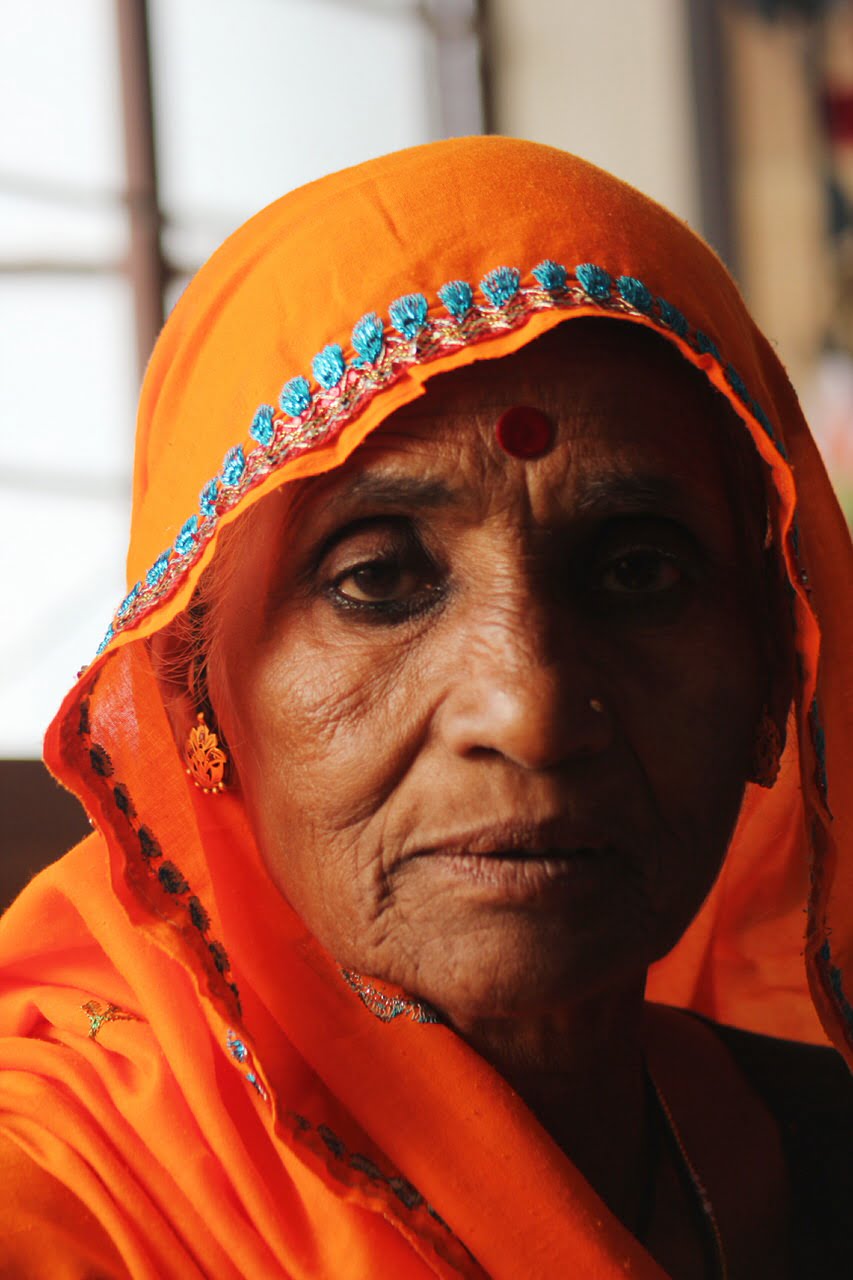
From Rosa Parks and Malala Yousafzai to Golda Meir and Corazon Aquino, women activists and political leaders have led the fight for gender equality and human rights around the world over the past century.
But as the tributes keep pouring in for U.S. Supreme Court Justice Ruth Bader Ginsburg, who died on Sept. 18 at the age of 87, we are reminded of the particular importance of sealing progress in the courts — and the judges and lawyers making it possible.
While a recent OECD study shows that 54% of judges are women in developed countries, it also pointed to a lack of women in top-ranking judicial positions, making profiles like RBG all the more outstanding. From Brazil to France to Malaysia, here are six exceptional women who, like RBG, have made a lasting impact in the courtroom:
Gisèle Halimi (Tunisia/France): Less than 2 months before Ginsburg's passing, women's rights in France mourned one of its fiercest advocates. Tunisian-born Gisèle Halimi, a renowned lawyer, author and Member of French Parliament, dedicated her life to gender equality, changing a male-centric judicial system to protect women and their rights over their own body, as recalls Le Monde in her obituary.
• In 1972, during what is now known as the Bobigny trials, she defended a 17-year-old student accused of having an abortion after being raped, along with her mother and three of her colleagues who helped terminate the pregnancy. Thanks to Halimi, the victim and two of the accused were dismissed. The verdict later played a part in the adoption of the Veil Law, legalizing abortion, in 1975.
• In 1978, she defended in two victims of a gang rape. The case attracted significant media attention, and her defense strategy contributed to a clear legal definition of rape, officially criminalizing it in 1980.
Gisèle Halimi dedicated her life to gender equality — Photo: Licra
आज ओलंपिक धावक सेमेन्या Semenya को लेकर खेल जगत में चर्चा है. उनके शरीर में टेस्टोस्टिरोन हार्मोन की मात्रा लड़कियों में पाई जानेवाली निर्धारित मात्रा से अधिक है. इस आधार पर फैसला हुआ है कि उनको दवा खाकर अपने शरीर के टेस्टोस्टिरोन को घटाना पड़ेगा तभी वे महिला खिलाड़ी की श्रेणी में (ख़ास दूरी की) दौड़ प्रतियोगिता में हिस्सा ले पाएँगी. मालूम हो कि टेस्टोस्टिरोन लड़कों के लक्षण उभारनेवाला हार्मोन है. इस खबर पर पूरी दुनिया में फिर से बहस छिड़ गई है. पिंकी प्रामाणिक और दुती चंद का उदाहरण हमारे सामने है. मतलब यह है कि हाव-भाव, चाल-ढाल, पहरावे, केश-सज्जा आदि ही नहीं अब हार्मोन और क्रोमोजोम की जाँच करो और लड़का-लड़की के दो डिब्बों को बनाए रखो. कई साल पहले का यह लेख महत्त्वपूर्ण है.
The arrest and subsequent humiliation of Indian athlete and international medal winner Pinki Pramanik has violated her right to privacy, bodily integrity, and basic human dignity. It has also raised important and often sidelined questions about gender, sports and the way the world is organised. Twenty-six-year-old Pramanik was accused by her live-in partner of repeated rape and torture, and of being a man. She was arrested on June 14, 2012. She was not granted bail for 26 days, which she spent in a male cell in a West Bengal jail, and she had to undergo three gender determination tests at different state hospitals, because the necessary facilities were not available at a single hospital. An MMS clip, showing her in the nude while undergoing one of the tests, was leaked online and went viral. The district and sessions judge, while granting Pramanik bail on July 11, held that she was physically incapable of rape, and that the petitioner who alleged rape had been in a consensual live-in relationship with Pramanik for nearly three years. Pramanik was suspended from her job as a ticket collector with the Eastern railways; the suspension was revoked after her bail and she has now rejoined work. While speaking to the media, she alleged that, in police custody, gender tests were forcibly carried out on her after drugging her and tying her hands and feet.
In November 2012, the West Bengal police submitted a chargesheet before the district court in which, citing medical reports, they alleged that Pramanik is indeed male, and charged with rape. Later, Dr BN Kahali, who headed the medical investigation into Pramanik’s gender, clarified that Pramanik suffered from a “disorder of sexual development”, and could best be described as a male pseudo-hermaphrodite, which is to say that Pramanik is not female, but “cannot be termed a male”. Pramanik has responded by saying she feels “like a joker in a circus”, and is being driven by the police to think of suicide. According to the latest media reports (also in November 2012) Pramanik planned to file a defamation case against the police and the public prosecutor, and publicly asked West Bengal Chief Minister Mamata Bannerjee, and the union sports ministry, to intervene in her case.
जब तक हम सब आज़ाद नहीं, हममें से कोई आज़ाद नहीं: 377 फ़ैसले की अहमियत, हर भारतीय के लिए
(अंग्रेज़ी से अनुवाद: स्मृति नेवटिया)
by Chayanika Shah
पृथ्वी के कोनों तक बिखरे हमारे जैसे कई लोग हैं जो पच्चीस सालों से चल रही लड़ाई के अपने समाधान पर पहुँचने का आज एहसास कर पा रहे हैं. 2013 में सर्वोच्च न्यायालय से मिले झटके के बाद ऐसे शब्द सुनना कि कौशल मामले में दिया गया निर्णय आज से रद्द हुआ और भारत में हमजिंसी रिश्तों पर से अपराध का साया हट गया है, यही हम लम्बे संघर्षों के अनुभवी-आदी कार्यकर्ताओं को आगे चलते रहने की हिम्मत देता है. इन छोटी-मोटी जीतों के बल पर हम जीने की उस राह की तरफ़ बढ़ रहे हैं जिसपर हमारा संकल्प यही रहेगा कि 'जब तक हम सब आज़ाद नहीं, हममें से कोई आज़ाद नहीं'.
हालांकि आज संवैधानिक पीठ से जो मिला है वह कोई मामूली फ़तह नहीं. जहाँ क्वीयर हक़ों की पूर्ती के लिए कुछ विशेष यौनिक व्यवहारों को क़ानूनी क़रार देना ज़रूरी है, अलबत्ता काफ़ी नहीं, इसे एक बड़ी जीत ही मानना होगा. यह ऐसा क़दम है जो संविधान की दृढ़ता का भरोसा दिलाता है, हमें विश्वास दिलाता है कि हमारा संविधान एक ऐसा गतिशील दस्तावेज़ है जिसे बदलते समय के अनुसार पढ़ते-समझते रहना होगा, और साफ़ ज़ाहिर करता है कि अल्पसंख्यकों की रक्षा करना अदालतों की ज़िम्मेदारी है, भले ही उस समुदाय की तादाद कितनी ही न्यून क्यों न हो.
In the name of a cow, my cow, you strike a knife through me
And In the name of Make in India you make me run, snatch the food from my mouth, chase me out of my home…..
One day, in the name of Jaimata you’ll drive, Drive, drive a tank hard over me
Swachch bharat ke naam pe mera safaya kar loge?
Chasme pe likh doge, tho Gandhiji ko Samajhjaoge?
Paliya Swachchta, Swadeshi, Swaraj, Ram Rajya?
Tum kya jano Ram ka naam?
Tum kya jano Siyaram?
Tum kya jano,
No, you’ll never know
What Jesus died on the cross for
What the Prophet fled his home for
What Budhha’s 8-fold path was
That Ram’s other name
That we greet each other
Every morning….
Jai Siyaram Jai Siyaram
That simply writing on Gandhi’s spectacles
Gives you not sight, no vision
Blind Blind
Turning a blind eye is a far, far cry from turning the other cheek
Theek?
Izzat bachane ke nam pe
Bataoge mujhe kya pehnna hai?
Saath kiske rehna hai, Dua kisse mangna hai?
Gau raksha ke naam pe roti mere haath
se chheen loge?
Chuppi saadh ke muh modloge?
Aur nahi, mere naam pe nahi
Chchoona mat mere chasme, kehte hain Gandhi
Yes don’t you dare
Not in my name
But don’t you dare
In the name of Allah, Krishna, Buddha, Jehovah,
Kalburgi, Pehlu Khan, Dhabolkar, Mohd Akhlaq, Pansare….
Junaaaaaaid
One last kiss….
You hear? Can you hear?
How come not a sound escapes your, their lips
In the name of making your India
28 Sept.2015 – 3 days after Eid Mohammad Akhlaq, a farm worker, asleep in a room next to his 22-year-old son, Danish
2015
7 days after Gandhi’s birthday, Zahid Rasool Bhatt, petrol bombs thrown on his truck
2016
Jan. 14 On the very day of Makar Sankranti, Pongal, Bihu several passengers on a train attaked, Harda distt, MP
Feb. 20 Muslim cops trashed, forced to carry a saffron flag, chant Jai Bhawani
You’ll make me run, snatch the food from my mouth, chase me out of my home, kill my son on a train…
For him one last kiss
All he had in his bag were gifts
Not in my name
Mere nam pe nahi
Lelo chashme wapas,
you hear him?.... Gandhi
In the name of making your India you’ll make me run, snatch the food from my mouth, chase me out of my home, kill my son on a train, slit my brother’s neck in a truck…..
2016
6 days before Holi, 2 cattle traders hanged
2016
Apr 5, 10 days before Ram NavamiMustain Abbas shot dead
2016
7 days before Ind. Day two brothers in Andhra tied to a tree, thrashed for skinning a dead cow
2017
Apr 1, 13 days before Ambedkar Jayanti, Pehlu Khan
attacked, died, for illegally transporting buffalo
you…you…you
Don’t you dare take my name
Not in my name, never in my name
When all he did was save his cattle from
dying on the streets, make shoes, sell her,
feed his family, keep them from dying
in the streets.
When all he had in his bag were sweets,
gifts for his sister, brother, mother.
Will you wipe us all clean?
Bass
Bilkis
Where are you, Bilkis?
One last ….
In the name of making your India you’ll make me run, snatch my cattle, my food from my mouth, chase me out of my home, kill my son on a train, slit my brother’s neck in a truck,…..you…you…you
You can you hear?
Does a sound….
All in the name of a cow
My cow
Not your cow, my cow
For her I gave hard earned money,
Fed her, cared for her, milked her
And when she’s ready to go
You'll let her die on the street,
Let her bleed, let me bleed?
Not in my name
No no no, not in her name
Chashme pe likh lete ho to samjh lete ho
Nazar pa liya?
You turn a blind eye
I’ve turned my other cheek
Time after time
Theek?
So it's like this -
If I’m a student, whose brother wears a uniform and fights for his country you throw fake video tapes in my face and tell me, we’ll teach you who a patriot is
If I’m a woman you tell me wear what we tell you, walk when we tell you, marry who we tell you,
you asked for it so raped you will be
If I’m a farmer you tell me - jai kisan nahi, jai jawan
If I’m a child you tell me it doesn’t matter, you don’t need to know who your first prime minister was,
I’ll give you fresh spectacles, read what I tell you.
If I’m a nobody you’ll still get after me
Tell me what to eat, who to meet, when to play
Hey, I say -
You’ll never know my name
Yes, you’ll never know my name!
If I’m a cow you’ll let me die on the street,
Let me bleed, my master bleed
Feeeed, what do you feed on?
breeed, do you only breed…… hate?
Not in my name
Don’t you dare
Not in that child’s name
You’ll never know that child’s name
Mere naam mere naam pe nahi, kabhi nahi
Lelo Chashme wapas, hear him? Gandhi
You hear? Can you hear?
How come not a sound escapes their lips
For him one last kiss
Not in my name…bass
All he had in his bag were gifts
Sab ke saath, sab ka vikas
Bassss
So, so so I pray,
Oh god, may I be born next a goat,
not a cow, not human,
You won’t chase me, lynch me, teach me, bleed me
Make me, make India,
Apr. 21. 7 days after Ambedkar Jayanti, a family, a small girl elderly attacked, beaten in J&k
And it goes on….
June 22, 4 days before Eid, Junaid….
June 27, yesterday, Usman Ansari, Deori, ranchi, thrashed
For a dead cow found outside his housssssse
Basssss
Don’t you dare
Not in her name, not in mine
Not his, not hers
Don’t you dare
All he had in his bag were gifts
His, hers, yours, theirs
You kill in the name of country
Stand up, Stand up India
Look, there’s Saira
There’s Bilkis, there’s Dhabolkar, Usman Ansari, Pehlu Khan, Pansare
Junaaaaaaid
Yes in his name, in hers, Bilkis
In his and hers, and ours
Get on a train, a truck, walk into the park,
Fill the streets
You hear….can you hear?
There’s a roar….. a shor
Today in my name
A last kiss
Bass
They shall not pass
(give many flying kisses….at the last one -)
Don’t you dare - you’ll never catch that kiss
Maya Krishna Rao Performance made - Jun. 27-28, 2017
The 73-year-old conservation park owner was ambushed as armed cattle-herders search for scarce grazing land.
The Gallmann family owns the 400-square-km Laikipia Nature Conservancy [Tony Karumba/AFP]
Gunmen have seriously wounded 73-year-old conservationist Kuki Gallmann at her conservation park in the latest of a string of attacks during land invasions in drought-stricken northern Kenya.
The ministry of sanitation asked its affiliate to ensure that they are recognised as equal citizens and are able to 'use facilities without embarrasment'.
Asif Hassan/AFP (Representative image)
The Centre has issued guidelines to the Swachh Bharat Mission (Gramin) saying transgender people must be allowed use public toilets designated for both men and women, depending on their choice. The statement asked the mission to ensure that members of the transgender community are recognised as equal citizens.
Zoona Begum sitting in her kitchen with the photos of her sons, Manzoor Ahmad and Abdul Qayoom, who were killed by Indian forces in 1994. Photo by Aliya Bashir
CHANDERHAMA, Kashmir – On a recent cold morning, Zoona Begum, 55, climbed a small ladder to reach the attic of her one-story house in this small hamlet in north Kashmir. She opened the lid of a large aluminum storage trunk and pulled out two picture frames holding photos of her sons, Manzoor Ahmad and Abdul Qayoom, who were killed by the Indian armed forces in 1994. Both were militants and had joined the fight against Indian rule in Kashmir, which many Kashmiris consider to be a military occupation. According to official figures, the violence in Kashmir and Jammu has claimed 43,000 lives since the clashes began in 1990. Human rights groups say the true death toll is much higher.
President Donald Trump met with the arch-conservative House Freedom Caucus at the White House Thursday to try to hammer out a deal on Obamacare repeal. A major question in the final negotiations? Whether or not maternity care and mammograms should be considered "essential" treatments covered by all health insurance policies under the Republican proposal. ("I wouldn't want to lose my mammograms," quipped Sen. Pat Roberts (R-Kan.), who supports scrapping the requirement. He apologized.)
The White House happily snapped a photo of the gathering that will go a long way toward deciding the future of women's health in America, and EMIILY's List, the group that works to elect pro-choice Democratic women to Congress, also blasted out a photo of the event to reporters. Notice anything?
The first part of the Budget session of Parliament started on January 31 and concluded on February 9.
The second part of the session began today.
The Lok Sabha passed the Maternity Benefit (Amendment) Bill, 2016 today. The Bill had already been passed by the Rajya Sabha during the Winter Session. It entitles the women working in the organised sector to paid maternity leave of 26 weeks, up from 12 weeks.
This essay is part of the #IndianWomenInHistory campaign for Women’s History Month to remember the untold legacies of women who shaped India, especially India’s various feminist movements. Each day one Indian woman is profiled for the whole of March 2017.
The Vishakha guidelines (1997) affirmed that sexual harassment of women was common and resulted in violation of their fundamental rights to life and liberty guaranteed by the Indian Constitution. The Apex court specified that the guidelines would be binding and enforceable on all employers until the Indian Parliament enacted suitable legislation to replace them. Looking at the dismal and faulty implementation of the Vishakha guidelines, fourteen years later a Joint Parliamentary Committee (2011) recommended a special law safeguarding rights of women at workplace. The Committee concluded that given the patriarchal nature of Indian society, the number of women needing redress from sexual harassment at workplaces was high.
While examining the discrimination within Hindu law, the continuation of the Hindu undivided family property is perceived as its main lacuna. (Illustration by C R Sasikumar)
The affidavit filed by the government of India before the Supreme Court and the questionnaire released by the law commission on the uniform civil code have rightly given rise to apprehensions among the Muslim community. These apprehensions could have been avoided since the concern towards gender justice is directed towards the Muslim community and projects Hindu law as egalitarian, uniform and gender-just. The media seems to echo this position and most talk shows are also framed within this faulty framework. But nothing can be farther from the truth. It is time to examine Hindu laws, customs and social ethos for their gender-unjust practices.