It is time to read between the legs about what menstrual hygiene products are doing to your body and the environment. In this video, our Sista lays out the pros and cons of Sanitary Pads, Tampons and Menstrual Cups through a witty adaptation of Villu Paatu - a tamil folk storytelling form.
Showing posts with label Body. Show all posts
Showing posts with label Body. Show all posts
Thursday, August 15, 2019
Period Paatu Ft. Sofia Ashraf | Sista From The South | Blush
It is time to read between the legs about what menstrual hygiene products are doing to your body and the environment. In this video, our Sista lays out the pros and cons of Sanitary Pads, Tampons and Menstrual Cups through a witty adaptation of Villu Paatu - a tamil folk storytelling form.

Thursday, July 25, 2019
Indian female farmers going 'womb-less' to boost productivity by Devyani Nighoskar 24 Jul 2019

Maharashtra state, India - Pushpa, a farmer and mother of two, was 26 when she experienced heavy bleeding during her period and abdominal pain.
She took medicine for two years until a doctor advised a more serious "cure".
She soon became one of the many women in the villages of Beed district, which is in the Indian state of Maharashtra, to undergo a surgical procedure to remove her womb.
"It was not an easy decision to make. But my husband encouraged me to do it, because the pain affected my work. The hysterectomy caused some hormonal imbalance and I put on weight," said Pushpa, who is now 37.
According to Indian media, more than 4,500 young women in Beed have had potentially unnecessary hysterectomies over the past three years.
Activists and studies surveying affected women say there are socioeconomic reasons behind this phenomenon.
They claim that women are becoming "womb-less", whether voluntarily or coerced, for two main reasons.
The first is that doctors are exploiting them, scaring them into believing that the expensive surgery is necessary and, therefore, turning a profit. The second is because of a perception that menstruation hinders work.
Beed is a drought-prone area, where sugar cane cutting is the main source of income.
During cane-cutting season, October to March, the women often rise at 4am to make food for their family. The working day then begins at 6am and ends at around sunset, 6:30pm.
Given the water shortage, work is scarce. We cannot afford to lose it over our female problems.VRANDAVANI SANDEEP, FARMER WHO HAD A HYSTERECTOMY TWO YEARS AGO
Field work is rigorous and requires upper body strength. After the cane is cut, it is tied together. The women carry the loads on their heads.
If they need to urinate, they usually do it in the fields because longer breaks incur a fine.
Rukhmini Tandale, a 45-year-old cane cutter from Vajrantwadi village, went to a doctor in November 2018 in Beed city, and like Pushpa complained of abdominal pain.
The doctor told her having a hysterectomy would prevent cancer.
"I did think that an operation might just be a way to extract more money, but I didn't want to take a chance," she told Al Jazeera.
The average cost of a hysterectomy is 35,000 rupees ($508) in Maharashtra, a state where the daily wage for a female farmer is around 202 rupees ($2.93).
Almost 30km away, in Hajipur village, Lata Magar, another victim, said: "It was better to invest in operation at once than keep spending over medicines."
Women are often made to believe that their uterus is of no use after childbirth and are rushed into unnecessary surgeries.
"Some unethical clinics, whose main purpose is maximising business, advise hysterectomies by telling women that their ailment may turn cancerous. [But unnecessary] hysterectomies [may] also lead to other health issues," said Dr Shashikant Ahankari, president of the HALO Medical Foundation in Maharashtra.

Usha Raosaheb is a community health worker, known as an "ASHA sister", appointed by the government's Ministry of Health and Family Welfare, in Vajrantwadi village.
She countered the women's claims, telling Al Jazeera: "There may be some greedy doctors, but I know several women who undergo hysterectomies to become employable by contractors or more productive in their fields."
Farmers in Beed are usually hired by a contractor, who employs couples as one unit.
Women who have a "pishvi", which means bag but is used to refer to a uterus, are seen as less employable.
Contractors employ the couple for a year and pay them an advance of about 1,50,000 rupees ($2,175). To earn it back, the women need to show up to work every day and some voluntarily undergo a hysterectomy to avoid their routine being impacted by their periods.
Bajinder Maan, a labour rights lawyer in Delhi, told Al Jazeera that he feared thewomen's human rights were being violated.
"They can certainly avail justice from the labour laws office in their district if they feel that their employers or contractors are forcing them into surgery, or showing a bias towards those women who have had a hysterectomy," he told Al Jazeera. "However, it may be challenging for the women to prove this claim in the civil courts because they are part of an informal industry, with no workable documents to establish the contractual relationship.
"Being part of a district farmer's union, affiliated to a political party, makes it easy to get redressals for such grievances."
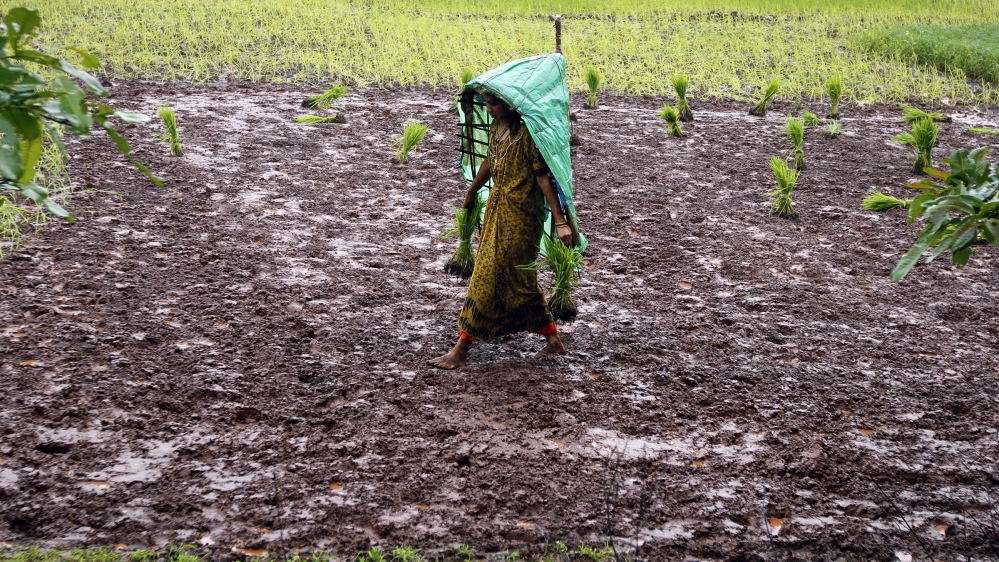
Vrandavani Sandeep, 36, from Umrad Jahagir village, had a hysterectomy two years ago.
"Given the water shortage, work is scarce. We cannot afford to lose it over our female problems," she told Al Jazeera.
Several women in the villages of Beed district referred to their "female problems", a euphemism for menstruation - still largely a taboo subject in rural India.
Periods are viewed by some sections of society as making women impure, and they are banished to live in menstruation huts.
They can't enter temples or kitchens, and can't touch anyone.
While several of these "traditions" are still practised in India, the subject has entered the national discourse with campaigns such as Menstrupedia and Girls Glory, along with the release of the commercial Bollywood movie Padman and the Oscar-winning documentary Period-End of Sentence.
Usha, the community health worker, said: "Taboos are being shattered through awareness programmes. Though, we still have a long way to go when it comes to basic hygiene, access to proper drinking water and nutrition."
I encourage my wife and daughter to talk to me. I lost my sister to uterine cancer because she kept the problem to herself.UDHOVITTHAL KUTE, FARMER FROM VAJARANTWADI
Through ASHA sisters, women in rural India are meant to have easier access to free pads.
But women in Beed villages complain that this has not been the case.
Radha Mugle, a 28-year-old from Hajipur who is preparing to have her womb removed, said: "The ASHA sisters hardly receive stock and it's difficult for us to be able to afford it ourselves."
The average cost for a pack of 12 low-cost sanitary pads is 100 rupees ($1.45) in Beed.
Reflecting on her own hysterectomy, 60-year-old Gayabai Mugle said: "I was unable to get up during my period and would often get infections."
Sitting on a charpoy in a thatched hut, she now understands that these complications may have been because she used cloth instead of a sanitary pad - something that is still practised in several pockets of the country, and because she was unable to discuss her menstrual ailments with anyone.
However, the conversation around menstruation has begun in some parts of Beed.
"I encourage my wife and daughter to talk to me. I lost my sister to uterine cancer because she kept the problem to herself," said Udhovitthal Kute, a 43-year-old farmer from Vajarantwadi, whose wife Ayodhya had a hysterectomy two years ago.

The National Commission of Women has alerted Maharashtra Chief Secretary UPS Madan, following a report in The Hindu Business Line, calling for legal action to "end the menace of womb removal".
A special committee was formed on June 18 under the Maharashtra legislative assembly.
"The seven-member committee comprises of doctors, health workers, researchers and human right activists. The committee would be carrying out surveys and formulating a plan to put an end to this practice. The report is anticipated in mid-August," said Dr Radhakishan Pawar, district health officer from Beed district.
Education for women often isn't a priority in Beed.
The lack of schooling leaves farm work as the only option and fails to provide them with knowledge of their rights and the hysterectomy procedure.
Most quit school after they hit puberty. Some are forced to because their families can no longer afford the fees.
With no other skills or schemes directed towards women, they start helping out on the farms.
Manisha Tokle, a women's rights activist from Beed, said: "This is a serious matter and one solution for it is to make women aware of their bodies.
"Women who have undergone hysterectomies need to be provided follow up sessions."
In Umrad Jahagir village, 40-year-old cane-cutter Dwarka Sandeepan, reflects on the importance of education.
She is the only married woman in her family who has not had a hysterectomy.
"We need more employment schemes for women," she said. "Education is a must, too. How else will we know of our rights?"
SOURCE: AL JAZEERA NEWS
Wednesday, May 1, 2019
No games for women with 'too much' testosterone
Indian activist and researcher on gender issues in sports, Payoshni Mitra, talks about the case of Dutee Chand, an Indian athlete who was recently banned from competition due to naturally occurring high testosterone levels. Hida Viloria, an intersex representative at the IOC Commission follows with her take on the International Olympic Committee’s policy on testosterone testing.
For the rest of the conversation, watch the full episode: http://bit.ly/1pKhkYK
Gender bending, gender testing by Vrinda Marwah
आज ओलंपिक धावक सेमेन्या Semenya को लेकर खेल जगत में चर्चा है. उनके शरीर में टेस्टोस्टिरोन हार्मोन की मात्रा लड़कियों में पाई जानेवाली निर्धारित मात्रा से अधिक है. इस आधार पर फैसला हुआ है कि उनको दवा खाकर अपने शरीर के टेस्टोस्टिरोन को घटाना पड़ेगा तभी वे महिला खिलाड़ी की श्रेणी में (ख़ास दूरी की) दौड़ प्रतियोगिता में हिस्सा ले पाएँगी. मालूम हो कि टेस्टोस्टिरोन लड़कों के लक्षण उभारनेवाला हार्मोन है. इस खबर पर पूरी दुनिया में फिर से बहस छिड़ गई है. पिंकी प्रामाणिक और दुती चंद का उदाहरण हमारे सामने है. मतलब यह है कि हाव-भाव, चाल-ढाल, पहरावे, केश-सज्जा आदि ही नहीं अब हार्मोन और क्रोमोजोम की जाँच करो और लड़का-लड़की के दो डिब्बों को बनाए रखो. कई साल पहले का यह लेख महत्त्वपूर्ण है.
The arrest and subsequent humiliation of Indian athlete and international medal winner Pinki Pramanik has violated her right to privacy, bodily integrity, and basic human dignity. It has also raised important and often sidelined questions about gender, sports and the way the world is organised. Twenty-six-year-old Pramanik was accused by her live-in partner of repeated rape and torture, and of being a man. She was arrested on June 14, 2012. She was not granted bail for 26 days, which she spent in a male cell in a West Bengal jail, and she had to undergo three gender determination tests at different state hospitals, because the necessary facilities were not available at a single hospital. An MMS clip, showing her in the nude while undergoing one of the tests, was leaked online and went viral. The district and sessions judge, while granting Pramanik bail on July 11, held that she was physically incapable of rape, and that the petitioner who alleged rape had been in a consensual live-in relationship with Pramanik for nearly three years. Pramanik was suspended from her job as a ticket collector with the Eastern railways; the suspension was revoked after her bail and she has now rejoined work. While speaking to the media, she alleged that, in police custody, gender tests were forcibly carried out on her after drugging her and tying her hands and feet.
In November 2012, the West Bengal police submitted a chargesheet before the district court in which, citing medical reports, they alleged that Pramanik is indeed male, and charged with rape. Later, Dr BN Kahali, who headed the medical investigation into Pramanik’s gender, clarified that Pramanik suffered from a “disorder of sexual development”, and could best be described as a male pseudo-hermaphrodite, which is to say that Pramanik is not female, but “cannot be termed a male”. Pramanik has responded by saying she feels “like a joker in a circus”, and is being driven by the police to think of suicide. According to the latest media reports (also in November 2012) Pramanik planned to file a defamation case against the police and the public prosecutor, and publicly asked West Bengal Chief Minister Mamata Bannerjee, and the union sports ministry, to intervene in her case.
Tuesday, April 23, 2019
Transgender Parents Who Conceived Two Sons Naturally
Bianca and Nick Bowser, who were born male and female, respectively, conceived their two sons naturally. While the couple both identify as transgender, they have not gone through gender reassignment -- which caused Nick to carry the pregnancies.
Monday, April 22, 2019
Judith Butler : Your behavior creates your gender
By
Judith Butler is a preeminent gender theorist and has played an extraordinarily influential role in shaping modern feminism. She’s written extensively on gender and her concept of gender performativity is a central theme of both modern feminism and gender theory. Butler’s essays and books include Performative Acts and Gender Constitution (1988), Gender Trouble: Feminism and the Subversion of Identity (1990), Bodies That Matter: On the Discursive Limits of “Sex”(1993) and Undoing Gender (2004).
However, the concept of gender performativity has been used – and some would assert – abused to support a number of positions that misconstrues Butler’s work. I, therefore, wanted to ask Butler about what she really thinks about gender and the trans experience. Along the way, Butler specifically addresses TERFs and the work of Sheila Jeffreys and Janice Raymond.
Cristan Williams: You spoke about the surgical intervention many trans people undergo as a “very brave transformation.” Can you talk about that?
Judith Butler: It is always brave to insist on undergoing transformations that feel necessary and right even when there are so many obstructions to doing so, including people and institutions who seek to pathologize or criminalize such important acts of self-definition. I know that for some feels less brave than necessary, but we all have to defend those necessities that allow us to live and breathe in the way that feels right to us. Surgical intervention can be precisely what a trans person needs – it is also not always what a trans person needs. Either way, one should be free to determine the course of one’s gendered life.
CW: I think it’s safe to say that many gender theorists are controversial in one way or another. Some have lumped your work together with the work of gender theorists such as Sheila Jeffreys, who wrote:
[Transsexual surgery] could be likened to political psychiatry in the Soviet Union. I suggest that transsexualism should best be seen in this light, as directly political, medical abuse of human rights. The mutilation of healthy bodies and the subjection of such bodies to dangerous and life-threatening continuing treatment violates such people’s rights to live with dignity in the body into which they were born, what Janice Raymond refers to as their “native” bodies. It represents an attack on the body to rectify a political condition, “gender” dissatisfaction in a male supremacist society based upon a false and politically constructed notion of gender difference… Recent literature on transsexualism in the lesbian community draws connections with the practices of sadomasochism.
Can you talk about the ways in which your views might differ?
JB: I have never agreed with Sheila Jeffreys or Janice Raymond, and for many years have been on quite the contrasting side of feminist debates. She appoints herself to the position of judge, and she offers a kind of feminist policing of trans lives and trans choices. I oppose this kind of prescriptivism, which seems to me to aspire to a kind of feminist tyranny.
If she makes use of social construction as a theory to support her view, she very badly misunderstands its terms. In her view, a trans person is “constructed” by a medical discourse and therefore is the victim of a social construct. But this idea of social constructs does not acknowledge that all of us, as bodies, are in the active position of figuring out how to live with and against the constructions – or norms – that help to form us. We form ourselves within the vocabularies that we did not choose, and sometimes we have to reject those vocabularies, or actively develop new ones. For instance, gender assignment is a “construction” and yet many genderqueer and trans people refuse those assignments in part or in full. That refusal opens the way for a more radical form of self-determination, one that happens in solidarity with others who are undergoing a similar struggle.
One problem with that view of social construction is that it suggests that what trans people feel about what their gender is, and should be, is itself “constructed” and, therefore, not real. And then the feminist police comes along to expose the construction and dispute a trans person’s sense of their lived reality. I oppose this use of social construction absolutely, and consider it to be a false, misleading, and oppressive use of the theory.
CW: Recently, Gloria Steinem wrote:
So now I want to be unequivocal in my words: I believe that transgender people, including those who have transitioned, are living out real, authentic lives. Those lives should be celebrated, not questioned. Their health care decisions should be theirs and theirs alone to make. And what I wrote decades ago does not reflect what we know today as we move away from only the binary boxes of “masculine” or “feminine” and begin to live along the full human continuum of identity and expression.
Would you comment on Steinem’s statement?
JB: I agree completely that nothing is more important for transgender people than to have access to excellent health care in trans-affirmative environments, to have the legal and institutional freedom to pursue their own lives as they wish, and to have their freedom and desire affirmed by the rest of the world. This will happen only when transphobia is overcome at the level of individual attitudes and prejudices and in larger institutions of education, law, healthcare, and kinship.
CW: What do you think people misrepresent most about your theories and why?
JB: I do not read very much of those writings, so I cannot say. I do know that some people believe that I see gender as a “choice” rather than as an essential and firmly fixed sense of self. My view is actually not that. No matter whether one feels one’s gendered and sexed reality to be firmly fixed or less so, every person should have the right to determine the legal and linguistic terms of their embodied lives. So whether one wants to be free to live out a “hard-wired” sense of sex or a more fluid sense of gender, is less important than the right to be free to live it out, without discrimination, harassment, injury, pathologization or criminalization – and with full institutional and community support. That is most important in my view.
CW: Do you think that humans have an innate and subjective experience of having a body? If so, would part of that experience also include having a body with primary sex characteristics?
JB: Most of what people say about these matters is rather speculative. I know that some subjective experiences of sex are very firm and fundamental, even unchangeable. They can be so firm and unchanging that we call them “innate”. But given that we report on such a sense of self within a social world, a world in which we are trying to use language to express what we feel, it is unclear what language does that most effectively. I understand that “innate” is a word that conveys the sense of something hired-wired and constitutive. I suppose I would be inclined to wonder whether other vocabularies might do the job equally well. I never did like the assertion of the “innate” inferiority or women or Blacks, and I understood that when people tried to talk that way, they were trying to “fix” a social reality into a natural necessity. And yet, sometimes we do need a language that refers to a basic, fundamental, enduring, and necessary dimension of who we are, and the sense of sexed embodiment can be precisely that.
CW: Some (such as Milton Diamond) assert that there seems to be a genetic issue that can lead to transsexualism. What are your thoughts about such assertions?
JB: In the works by Milton Diamond that I have read, I have had to question the way he understands genetics and causality. Even if a gene structure could be found, it would only establish a possible development, but would in no way determine that development causally. Genetics might be yet another way of getting to that sense of being “hard-wired” for a particular sex or gender. My sense is that we may not need the language of innateness or genetics to understand that we are all ethically bound to recognize another person’s declared or enacted sense of sex and/or gender. We do not have to agree upon the “origins” of that sense of self to agree that it is ethically obligatory to support and recognize sexed and gendered modes of being that are crucial to a person’s well-being.
CW: If “gender” includes the way in which we subjectively experience, contextualize, and communicate our biology, do you think that living in a world without “gender” is possible?
JB: Sometimes there are ways to minimize the importance of gender in life, or to confuse gender categories so that they no longer have descriptive power. But other times gender can be very important to us, and some people really love the gender that they have claimed for themselves. If gender is eradicated, so too is an important domain of pleasure for many people. And others have a strong sense of self bound up with their genders, so to get rid of gender would be to shatter their self-hood. I think we have to accept a wide variety of positions on gender. Some want to be gender-free, but others want to be free really to be a gender that is crucial to who they are.
https://www.transadvocate.com/gender-performance-the-transadvocate-interviews-judith-butler_n_13652.htm
Saturday, October 6, 2018
Masculine Anxiety in the Films of Anurag Kashyap by Sarunas Paunksnis Runa Chakraborty
Anurag Kashyap’s films often offer an opportunity to question stereotypes.1 This essay which explores the visual representation of masculine anxiety in fast-changing 21st-century India aims to do so through a nuanced analysis of the male protagonists of Anurag Kashyap’s films Dev D (2009), Ugly (2013) andRaman Raghav 2.0 (2016). In his films, particularly in these three, Kashyap focuses on the transforming social relations in post-liberalization urban India. He often portrays the anxiety of contemporary Indian men over the issue of female emancipation and their aggression towards those women who defy patriarchal codes of conduct and attempt to assert their own agency. By situating the neurotic, hyper-masculine heroes at the centre of the narratives, Kashyap points at the skewed gender relationship which – despite the pervasive rhetoric of women’s empowerment echoed throughout neoliberal India – is becoming increasingly fractured. Kashyap’s films thus act as representatives of a new social order currently prevailing in India and compel us to understand the complex process through which the notion of masculinity is being continually configured. A self-flagellating 21st-century Debdas (Dev from Dev D) or a violent sexual partner like Raghav/Shoumik/Rahul (Raman Raghav 2.0/Ugly) is not merely an example of what is traditionally deemed a patriarchal, oppressive Indian man. In fact, these characters all are born out of a neoliberal restructuring that, among other things, involves the introduction of new cultural codes into local contexts and the transforming of sexual relationships. Our aim in this essay is to trace the connection between masculine anxiety and the neoliberal social world by exploring the psychic and social lives of the fictional male characters created in Kashyap’s films.
Monday, October 23, 2017
"करिहा छमा छठी मैया भूल चूक गलती हमार ..." (Chhath video : Gender analysis by Purwa Bharadwaj)
'पहिले पहिल छठी मैया' यह पिछले साल का वीडियो है, मगर मैंने अभी पिछले महीने देखा था. उसके बाद कई बार नज़र से गुज़रा. इधर तो सोशल मीडिया में यह तेज़ी से घूमने लगा है. छठ जो नज़दीक है !
लेकिन बिहार के महत्त्वपूर्ण त्योहार छठ पर केन्द्रित इस वीडियो से गैर-बिहारी भी अपने को जोड़ सकते हैं. अपने अपने प्रदेश की संस्कृति से दूर जाने की कसक सबको है. इसमें अतीत की खूबसूरत चीज़ों के छूट जाने का दर्द ऐसे पिरोया हुआ है कि उसका साधारणीकरण होने में देर नहीं लगती है.
Tuesday, October 10, 2017
The Atlas Of Beauty by Mihaela Noroc

Romanian photographer Mihaela Noroc spent nearly four years shooting portraits of — and collecting stories about — women from around the world.
The product of her vision — and her travels to 50 countries — can be seen in her book The Atlas Of Beauty, hitting shelves Tuesday.
The project, she says, began as something "very genuine and sincere" that she financed, initially, with her own savings — and by being frugal in her backpacking adventure. She later crowd-funded, including a Facebook campaign in March.
NPR's Lulu Garcia-Navaro spoke with the 31-year-old via phone from Berlin about her photography. This interview has been edited for length and clarity.

SyriaMihaela Noroc/Courtesy of Ten Speed Press
Interview Highlights
Monday, July 17, 2017
A Girl Throwing Stereotypes Far, Far Away – Annu Rani by Furo Sports
https://www.youtube.com/watch?v=tefc_26esZY
What does society expect a young girl from rural India to do? Be proficient with cooking and household chores. What did Annu Rani do? She battled these inane stereotypes, picked up the javelin and created a dream for herself. Thanks to #GripYourGame initiative by Furo Sports, we are so incredibly proud to meet the National Women’s Champion in javelin throw – Annu Rani!
Furo Sports’ latest #GripYourGame initiative is bringing out awe-inspiring stories of different sports persons in India. Perhaps the most moving one orginates in village Bahadarpur, Uttar Pradesh. Annu Rani was taunted by most of her neighbours for not being able to cook and take care of home like expected of girls her age. Today the same folks proudly associate themselves with Annu. She has battled everything from lack of amenities to injuries to stereotypes to emerge as among the best in her field. Watch her arduous and inspiring journey here:
Annu trains with 180kgs of weights to throw the 600g javelin in the most perfect way – such is the grip on her game. It is this very spirit that #GripYourGame is celebrating. Furo Sports has done a phenomenal job curating stories of Annu and various other sports persons. Annu inspires us to fight all odds and stubbornly stick with our dreams. A big cheer to Annu and to Furo Sports for sharing this tale with us!
- Wamika Mimani
Sunday, July 16, 2017
सहमति के पड़ाव (Stages of consent) by AGENTS OF ISHQ
ना कहने और सुनने को कैसे निभाया जाए- एजेंट्स ( AOI ) का क्राउडसोर्सड गाइड !
सहमति, जैसे, अनु कपूर ने विक्की डोनर में कहा था, एक टेढ़ा मेढ़ा शुक्राणु है। हर कोई सोचता है कि यह सरल है – एक हाँ है, एक नहीं और एक शायद। लेकिन हाँ हमेशा के लिए हाँ तो नहीं होता है, और न भी ना हमेशा के लिए ना। और शायद या तो हाँ के अंदर हो सकता है या ना के बाहर। सबसे महत्त्वपूर्ण बात यह है कि सहमति K3G के अमिताभ बच्चन की तरह नहीं है – कि कह दिया तो कह दिया, बस। मतलब यह अपरिवर्तनीय या सुनिश्चित नहीं है। बल्कि हम कई अलग–अलग रोमांटिक और यौन संबंधों के दौरान इसका पता लगा पाते हैं। पहले कदम से शारीरिक संबंध बनाने के बीच, वन नाईटस्टैंड के दौरान या एनएसए, या दीर्घकालिक रिश्ते के दौरान; दरअसल हर उस स्थिति से जिससे सेक्स जुड़ा हुआ होता है।
नहीं आसान होना चाहिए। लेकिन हम सभी जानते हैं कि वह पेचीदा है। यदि आप किसी से ना सुनते हैं, तो आपको आघात होता है, आप अस्वीकृत महसूस करते हैं, आपको निराशा होती है, गुस्सा आता है। आप कभी समझने की कोशिश करते हैं तो कभी परेशान हो जाते हैं। यदि आप सहमति का सम्मान नहीं करते हैं, तो आप शायद ‘ना‘ सुन भी नहीं सकेंगे।
और यदि जिसने ना कहा है वो आप खुद हैं, तो आप तकलीफ और परेशानी महसूस कर सकते हैं। कभी आप राहत महसूस करेंगे तो कभी खुद को दोषी मानेंगे। अंत में आप निर्दयी या असंवेदनशील भी हो सकते हैं। या फिर इससे बचने की कोशिश करते हुए हो सकता है आप अस्पष्ट हो जाएँ।
लेकिन शुरुआत में, कम से कम हम उन नाज़ुक फ़र्क की बात तो कर सकते हैं, जो इस ‘ना’ की शान हैं, है ना! हमने नहीं कहने और सुनने के बारे में कुछ लोगों से बात की, विशेष रूप से उसके अलग अलग जगहों पर पड़ने वाले प्रभाव को समझने के लिए।
1. जब आप बिल्कुल रुचि नहीं रखते हैं।
– मेनेका (21, उभयलिंगी महिला) कहती हैं, “मुझे लगभग छह बार नहीं कहना पड़ा“, जब वो एक ऐसी परिस्थिति में थीं जहाँ सामने वाले व्यक्ति को समझ नहीं थी कि कहाँ रुक जाना चाहिए। “मैं एक मेटल कॉन्सर्ट में थी।” (हाँ वो एक रॉकर लेडी हैं) “उस व्यक्ति ने कुछ ऐसा कहा – ‘मैंने लड़कियों को इतना ज्यादा झूमते नहीं देखा है… क्या मैं आपके लिए एक ड्रिंक खरीद सकता हूँ?’ मैंने कहा नहीं। उसने जोर देकर कहा कि वह किसी भी तरह की सेक्सुअल उम्मीद नहीं रख रहा है। सब एक बकवास नाटक था। अंत में उसने कहा, ‘क्या मैं आपके लिए कम से कम पानी खरीद सकता हूँ?’ मैंने सोचा ठीक है! मैं सिर्फ उससे छुटकारा पाना चाहती थी। लेकिन अगर मैंने उसे ‘हाँ ठीक है धन्यवाद’ कहती, तो यह मेरा जान कर अंजान होना सा होता। अगर मैं किसी केअनुरोध पर फ्री ड्रिंक लेती हूँ तो ऐसी बातों पर आदमी और औरतों के बीच की रीति रिवाजों का लंबा साया रहता है और मुझे उस सब में नहीं पड़ना था ।“
– सीरत (21, विषमलैंगिक महिला) एक ऐसे लड़के के बारे में बताती हैं जो लवर बॉय से स्टॉकर (पीछा करने वाला) बॉय बन गया। “मैं अपने कॉलेज में एक इवेंट का आयोजन कर रही थी जब एक सीनियर मेरे पास आया और कहा कि उसने आज तक मुझसे ज्यादा सुंदर लड़की नहीं देखी। मैंने उसकी प्रशंसा की सराहना करते हुए उसे धन्यवाद दिया। बाद में, उसने मुझे फेसबुक पर संदेश भेजा कि वह मुझसे प्यार करता था। मैंने जवाब में ‘धन्यवाद‘ जैसा कुछ लिखा और यह भी स्पष्ट किया कि मुझे उसमें इस तरह की कोई दिलचस्पी नहीं है। उसके बाद वह रोज़ कॉलेज गेट पर मेरा इंतजार करने लगा। वो मुझे लगभग एक स्टॉकर कि अनुभूति कराने लगा और इसलिए आखिरकार मुझे उसे ब्लॉक करना पड़ा। फिर मुझे एक सीनियर से बात भी करनी पड़ी जिसने उसे यह सब रोकने के लिए कहा। एक साल बाद जब वापस उसे देखा तो उसने अपने बर्ताव के लिए माफी माँगी। वह अभी भी फेसबुक के ब्लॉक्ड लिस्ट में है; लेकिन कोई बात नहीं।“
इससे यह समझ में आता है कि जब कोई आपकी ना सुनने से इनकार करे तो आपको क्या करना चाहिए? दोहराते रहें – विनम्रतापूर्वक, लेकिन दृढ़ता केसाथ। (फिर यह आसान हो जाता है और कभी–कभी सामने वाले को समझ में भी आ जाता है)।

2. जब आप समीकरण को बदलना नहीं चाहते हैं।
मान लीजिए कि आपका एक दोस्त है और आप जहाँ हैं वहाँ खुश हैं, लेकिन वो कुछ और चाहता/चाहती है। आप उसे चोट नहीं पहुँचाना चाहते हैं, और न ही अपने बीच के समीकरण को बदलना चाहते हैं। ऐसे में आप ना कैसे कहेंगे?
– जेनाब (20, इतरलिंगी, महिला) ने किसी मित्र के प्रस्ताव को ना कहा। “पहले तो वो उलझन में था और मानने को तैयार ही नहीं था। फिर मैंने उसे कहा कि हम दोस्त हैं और हम इसे ऐसे ही रहने देते हैं। उसे बात तो समझ में आ गयी लेकिन वह जानना चाहता था कि क्या मैंने किसी डर या भय से उसे ना बोला। मुझे लगता है मुझे उसे और दृढ़ता से मना करना चाहिए था, क्योंकि उसे लगा मैंने सिर्फ उस समय के लिए ना बोला है। मैं नहीं चाहती थी ये रिश्ता कहीं भी जाये, उसे यह बात समझ नहीं आई थी। मुझे लगता है कि सबसे अच्छा तरीका है कि जहाँ तक हो सके, स्पष्ट रूप से ना कहा जाए। जब आप किसी से जुड़े हुए नहीं होते हैं तो ना कहना आसान होता है। लेकिन एक दोस्त के साथ आपको डर रहता है कि कहीं आप उसकी भावनाओं को चोट ना पहुँचाएँ। लेकिन हाँ, दृढ़ता आवश्यक है।“
– आदिल (22, विषमलैंगिक, पुरुष), उसकी दोस्ती को अगले स्तर पर ले जाना चाहते थे। “हम हाल ही में दोस्त बने थे। मुझे रोमांटिक रुचि तो नहीं थी, लेकिन मैं शारीरिक रूप से आकर्षित हो गया था। एक रात एक पार्टी में उसने काफी पी ली थी। वहाँ जब किसी ने पूछा कि क्या हमारे बीच कुछ चल रहा है, तो उसने बड़े रहस्यमय तरीके से कहा था कि – अब तक तो नहीं। बाद में जब मैंने इसका जिक्र किया, उसने मुझ पर विश्वास नहीं किया और कहा कि वह अपने दोस्त से इसकी पुष्टि करेगी। फिर उसने माफी माँगी और कहा कि उसे शारीरिक संबंध बनाने में कोई दिलचस्पी नहीं थी, वो बस एक अच्छी दोस्त बनना चाहती थी। मैं निराश हो गया था, लेकिन फिर मुझे लगा कि उसके साथ ना सो कर मैं कोई बड़ी चीज़ मिस नहीं कर रहा था। वो मेरी दोस्त थी और यह मेरे लिए बहुत था। उसने मुझे जिस तरह ना कहा उसके लिए मैं उसे वास्तव में दोषी नहीं ठहरा सकता था। वह नशे में थी और उसने तो माफी भी माँगी। लेकिन अगर उसकी जगह मैं होता तो यह कभी नहीं कहता कि ‘मुझे तुम्हारी बात पर विश्वास नहीं है और मुझे अपने दोस्त से पुष्टि करनी होगी।‘ यहलगभग ऐसा कहना हो गया जैसे यह पूरी कहानी मेरी मनगढ़ंत है। मैं अगर ऐसा करता भी तो उसकी घोषणा नहीं करता।” (हालाँकि वास्तव में उसने आदिल के सामने तीन हफ्ते बाद ही प्रस्ताव रखा और यह अलग बात है कि तब से वे साथ हैं।)
– निशांत (22, विषमलैंगिक, पुरुष) ने अपने अच्छे दोस्त के सामने प्रस्ताव रखा। वो कुछ दिन पहले ही एक रिश्ते से बाहर निकली थी इसलिए उस समय आगे बढ़ने की मनःस्थिति में नहीं थी। “अभी नहीं, शायद भविष्य में – लेकिन उसका भी मैं कोई वादा नहीं कर सकती“, उसने कहा। उसके कारण बहुत न्यायसंगत थे, लेकिन भविष्य की संभावना में लटकाकर रखने का विचार मुझे पसंद नहीं आया। अगर आप पूरी तरह से ना कहते हैं, तो कम से कम दूसरे व्यक्ति को पता चल जाता है कि ऐसा कभी नहीं होने वाला है। लेकिन यदि आप कहते हैं कि शायद भविष्य में कोई संभावना हो सकती है, तो वह व्यक्ति सोचता है कि वह फिर से प्रयास कर सकता है।“

3. जब आपको दिलचस्पी है, लेकिन आप तैयार नहीं हैं।
जब आप तैयार नहीं होते हैं तो इसे धीमे–धीमे आगे ले जाना चाहते हैं। आप कभी यह भी कहना चाहेंगे कि ‘यह सब बहुत जल्दी हो रहा है‘? या फिर ‘ना’करना चाहेंगे,’ लेकिन सिर्फ तभी के लिए‘। क्या इसका मतलब है कि आप किसी को व्यर्थ बहका रहे हो? यह ज़ोर से कहना आसान तो नहीं है, लेकिन देखते हैं कुछ लोगों ने ऐसा कैसे किया।
– नितिन (22, विषमलैंगिक, पुरुष) – “मैं अपने पहले रिश्ते में एक अनजान किशोर था। जब मेरी प्रेमिका मुझसे शारीरिक संबंध बनाना चाहती थी तो मुझे विनम्रता से उसे मना करना पड़ा क्योंकि मुझे सचमुच नहीं पता था कि ये सब कैसे किया जाता है। मेरा मानना है कि ऐसा कुछ करने से पहले खुद को शिक्षित करना बेहतर है ताकि कोई बेवकूफी ना हो जाये। जब मैंने उसे यह बताया तो उसने कहा ‘चिंता मत करो, मैं तुम्हारी मदद करूँगी।‘ मैंने जोर देकर कहा कि मैं तैयार नहीं हूँ। हम अंततः यह ज़रूर कर सकते हैं, लेकिन केवल तब जब मैं इस विचार से सहज हो जाऊँ। जाहिर है पहले वो नाराज़ हुई। लेकिन फिर उसने कहा कि उसे यह थोड़ा अजीब और अच्छा भी लगा, क्योंकि अमूमन लड़कियाँ रुकना चाहती हैं जबकि लड़के हमेशा तैयार रहते हैं।“
– बारबरा (22, उभयलिंगी, महिला) - “यह हमारे रिश्ते के पहले के कुछ हफ़्तों की बात है। हम तब सिर्फ एक–दूसरे को जानने की प्रक्रिया में थे। उस रात हम काफी दूर तक आ गए, लेकिन मैंने उसे कह दिया कि मैं सेक्स नहीं करना चाहती थी। उसने कहा कोई बात नहीं और फिर कोशिश नहीं की। थोड़ी देर बाद, मुझे बुरा लगा क्योंकि उसने इस सरप्राइज ट्रिप की योजना बनाई थी और मुझे लगा कि वो बुरा मान जाएगा। तो मैंने उससे कहा, ‘जानते हो, मुझे आपत्ति नहीं है?’ ‘ यहाँ कहकर ज़ोर नहीं डाला था, बस मैं ही पछतावे की भावावेश में बोल बैठी थी। मुझे उसका जवाब आज भी स्पष्ट रूप से याद है। उसने कहा ‘मुझे आपत्ति नहीं है‘ और ‘मैं यह चाहती हूँ‘, दोनों में बहुत अंतर है। उसने कहा कि वो मुझे कभी ऐसा कोई काम करने को नहीं कहेगा जिसमें मुझे केवल ‘आपत्ति न हो।‘ तो हमें यह समझ आ गया कि हमें किसी का नेतृत्व नहीं करना चाहिए और सिर्फ किसी दवाब में आकर हाँ नहीं कहना चाहिए। क्योंकि अगर आप तैयार नहीं हैं तो इसकी कोई आवश्यकता नहीं है। प्रेम कोई वस्तु विनिमय प्रणाली- बार्टर सिस्टम- तो नहीं है।“
– अनंद्य (21, विषमलैंगिक महिला) याद करती हैं, “जब मैं कॉलेज में इस लड़के से मिला करती थी, तब एक रात मैं अपने कमरे में घुस गई। मूल योजना कुछ समय बाद ही कर्फ्यू के लिए वापस आने की थी, लेकिन एक और मित्र ने मुझे पूरी रात वहीं रहने के लिए आश्वस्त कर दिया। यह वास्तव में मेरे लिए अजीब था क्योंकि उसने और मैंने साथ काफी कुछ किया था, लेकिन उतना आगे पहले कभी नहीं बढ़े थे। उस रात चीज़ें थोड़ी गर्मजोशी में होने लगीं तो उसने मुझसे पूछा अगर मैं सेक्स करना चाहती हूँ। मैंने उसे धक्का दिया और कहा, ‘नहीं, मैं इसके लिए तैयार नहीं हूँ।‘ उसने कहा, ‘ठीक है‘। मुझे लगता है कि उसकी इस कोशिश का एक कारण अन्य लड़के थे जिनकी उम्मीदों को यह पूरा करना चाहता था। लेकिन मैं उसे प्यार नहीं करती थी, यह बात मैं अच्छे से जानती थी। मैं सेक्स सिर्फ करने के लिए नहीं करना चाहती थी, जब उसका कोई मतलब ही ना हो। “

4. प्यार के मूड में ना होना।
आप किसी के साथ संबंध में हैं,लेकिन ऐसे कुछ समय होते हैं जब आप कहीं और ही मग्न हैं या कुछ ऐसा महसूस नहीं कर रहे हैं। तब किस तरीके से ना कहा जाना चाहिये?
– जोया (20, विषमलिंगी नहीं,अजेंडर) “मेरी हाल की यौन स्थितियाँ मेरी सबसे सम्मानपूर्ण स्थितियाँ रही हैं, उनमें बराबरी के रिश्ते रहे हैं । हम सेक्स में प्रयोग भी करते, पर पहले आपस में पूछ लेते थे कि क्या यह ठीक है। और अगर कोई रुकना चाहता था तो दोनों रुक जाते थे। मुझे लगता है कि ये सब सिर्फअच्छी समझ का नतीजा है। “
मिंडी (25, समलैंगिक, महिला) “जब आप एक दीर्घकालिक रिश्ते में होते हैं, तो आप एक दूसरे को बेहतर समझते हैं और अपने साथी की जरूरतों को समझने में अधिक सहज होते हैं। तो ‘ना‘ जैसे शब्द का वास्तविक उपयोग ही सब कुछ नहीं है। कभी–कभी कुछ सूक्ष्म चीज़ें भी ये कर जाती हैं। कभी–कभी आपको थोड़ा और अधिक संवाद करना पड़ता है। मैं ना कहते समय अपने पार्टनर की भावनाओं को चोट नहीं पहुँचाना चाहूँगी। आप अपनी एकभाषा विकसित करते हैं, और तब ना बोलते हैं। “
भक्ति (22, क्वीयर, महिला): “मेरे अनुभव में, बहुत से लोग बिना मौखिक संकेत के नहीं समझ पाते हैं। कुछ लोगों के लिए, ना वास्तव में ना नहीं है– उन्हें लगता है कि यह हमेशा चिढ़ाने और कड़ी मेहनत कराने के लिए कहा जाता है। यहाँ तक कि मेरे वर्तमान प्रेमी को भी कभी–कभी सचमुच समझ में नहीं आता कि कहाँ तक ठीक है और कहाँ नहीं। मैं इसे पर्याप्त रूप से स्पष्ट करने की कोशिश करती हूँ कि मेरे मामले में ना का मतलब ना ही है और इसमें कोई चंचलता का अंश नहीं है। चूँकि यह उसका पहला रिश्ता है, इसलिए मैं उसे सीमाओं को समझने में मदद करती हूँ। हमने कई बार बैठ कर इसकी चर्चा की है। हमने मौखिक और गैर–मौखिक संकेतों को सेट किया है। यह एक बहुत ही अंतरंग बातचीत होती है जिसे केवल दो लोगों ही समझ पाते हैं। “
रुही (21, विषमलैंगिक महिला) कहती है “जब भी हम फिल्में देखते हैं, तो वो और मैं सेक्स की प्रक्रिया में संलग्न हो जाते हैं। लेकिन एक बार मैं वास्तव में वो फिल्म देखना चाहती थी। तो सीधा बोलने के बजाय, मैंने उसे बहुत ही आधे मन से चुंबन दिया। उस वक़्त तो उसने कुछ भी नहीं कहा, बस थोड़ा चुपचाप था। मुझे लगा कि ओह यह गंभीर हो गया – लेकिन अभी भी मेरा ध्यान पूरी तरह फिल्म पर ही था। फिल्म खत्म होने के बाद भी वह चुप ही था। मैं कभी–कभी उसे कहती हूँ कि उसे और सहज होना चाहिए। इसलिए उसने कहा, ‘अब जब मैं था, तो तुमने मुझे खारिज कर दिया‘ बाद में हमने इस बारे में बात की, तो उसने कहा कि मैं थोड़ा और अच्छे से भी मना कर सकती थी। मैंने कहा चलो माफ करो। शायद मैंने कोई सम्मानजनक तरीके से ना नहीं कहा था? शायद मुझे पूर्ण रूप से कहना चाहिए था कि मैं अभी तैयार नहीं हूँ, क्यों ना बाद में कोशिश करें। कभी ऐसा भी हुआ है जब उसने मुझे ना कहा है। मुझे लगता है कि जब आप किसी के यौन प्रस्ताव को अस्वीकार करते हैं तो यह दर्दनाक भी हो सकता है। आप सोचेंगे कि उन्हें समझ में आ गया है, लेकिन वास्तव में ऐसा होता नहीं है। मुझे लगता है कि हालाँकि इससे थोड़ी चोट पहुँच सकती है फिर भी इधर उधर की बातें करने से अच्छा है सीधे ना बोलना।

नहीं आसान होना चाहिए। लेकिन हम सभी जानते हैं कि वह पेचीदा है। यदि आप किसी से ना सुनते हैं, तो आपको आघात होता है, आप अस्वीकृत महसूस करते हैं, आपको निराशा होती है, गुस्सा आता है। आप कभी समझने की कोशिश करते हैं तो कभी परेशान हो जाते हैं। यदि आप सहमति का सम्मान नहीं करते हैं, तो आप शायद ‘ना‘ सुन भी नहीं सकेंगे।
और यदि जिसने ना कहा है वो आप खुद हैं, तो आप तकलीफ और परेशानी महसूस कर सकते हैं। कभी आप राहत महसूस करेंगे तो कभी खुद को दोषी मानेंगे। अंत में आप निर्दयी या असंवेदनशील भी हो सकते हैं। या फिर इससे बचने की कोशिश करते हुए हो सकता है आप अस्पष्ट हो जाएँ।
लेकिन शुरुआत में, कम से कम हम उन नाज़ुक फ़र्क की बात तो कर सकते हैं, जो इस ‘ना’ की शान हैं, है ना! हमने नहीं कहने और सुनने के बारे में कुछ लोगों से बात की, विशेष रूप से उसके अलग अलग जगहों पर पड़ने वाले प्रभाव को समझने के लिए।
1. जब आप बिल्कुल रुचि नहीं रखते हैं।
– मेनेका (21, उभयलिंगी महिला) कहती हैं, “मुझे लगभग छह बार नहीं कहना पड़ा“, जब वो एक ऐसी परिस्थिति में थीं जहाँ सामने वाले व्यक्ति को समझ नहीं थी कि कहाँ रुक जाना चाहिए। “मैं एक मेटल कॉन्सर्ट में थी।” (हाँ वो एक रॉकर लेडी हैं) “उस व्यक्ति ने कुछ ऐसा कहा – ‘मैंने लड़कियों को इतना ज्यादा झूमते नहीं देखा है… क्या मैं आपके लिए एक ड्रिंक खरीद सकता हूँ?’ मैंने कहा नहीं। उसने जोर देकर कहा कि वह किसी भी तरह की सेक्सुअल उम्मीद नहीं रख रहा है। सब एक बकवास नाटक था। अंत में उसने कहा, ‘क्या मैं आपके लिए कम से कम पानी खरीद सकता हूँ?’ मैंने सोचा ठीक है! मैं सिर्फ उससे छुटकारा पाना चाहती थी। लेकिन अगर मैंने उसे ‘हाँ ठीक है धन्यवाद’ कहती, तो यह मेरा जान कर अंजान होना सा होता। अगर मैं किसी केअनुरोध पर फ्री ड्रिंक लेती हूँ तो ऐसी बातों पर आदमी और औरतों के बीच की रीति रिवाजों का लंबा साया रहता है और मुझे उस सब में नहीं पड़ना था ।“
– सीरत (21, विषमलैंगिक महिला) एक ऐसे लड़के के बारे में बताती हैं जो लवर बॉय से स्टॉकर (पीछा करने वाला) बॉय बन गया। “मैं अपने कॉलेज में एक इवेंट का आयोजन कर रही थी जब एक सीनियर मेरे पास आया और कहा कि उसने आज तक मुझसे ज्यादा सुंदर लड़की नहीं देखी। मैंने उसकी प्रशंसा की सराहना करते हुए उसे धन्यवाद दिया। बाद में, उसने मुझे फेसबुक पर संदेश भेजा कि वह मुझसे प्यार करता था। मैंने जवाब में ‘धन्यवाद‘ जैसा कुछ लिखा और यह भी स्पष्ट किया कि मुझे उसमें इस तरह की कोई दिलचस्पी नहीं है। उसके बाद वह रोज़ कॉलेज गेट पर मेरा इंतजार करने लगा। वो मुझे लगभग एक स्टॉकर कि अनुभूति कराने लगा और इसलिए आखिरकार मुझे उसे ब्लॉक करना पड़ा। फिर मुझे एक सीनियर से बात भी करनी पड़ी जिसने उसे यह सब रोकने के लिए कहा। एक साल बाद जब वापस उसे देखा तो उसने अपने बर्ताव के लिए माफी माँगी। वह अभी भी फेसबुक के ब्लॉक्ड लिस्ट में है; लेकिन कोई बात नहीं।“
इससे यह समझ में आता है कि जब कोई आपकी ना सुनने से इनकार करे तो आपको क्या करना चाहिए? दोहराते रहें – विनम्रतापूर्वक, लेकिन दृढ़ता केसाथ। (फिर यह आसान हो जाता है और कभी–कभी सामने वाले को समझ में भी आ जाता है)।
2. जब आप समीकरण को बदलना नहीं चाहते हैं।
मान लीजिए कि आपका एक दोस्त है और आप जहाँ हैं वहाँ खुश हैं, लेकिन वो कुछ और चाहता/चाहती है। आप उसे चोट नहीं पहुँचाना चाहते हैं, और न ही अपने बीच के समीकरण को बदलना चाहते हैं। ऐसे में आप ना कैसे कहेंगे?
– जेनाब (20, इतरलिंगी, महिला) ने किसी मित्र के प्रस्ताव को ना कहा। “पहले तो वो उलझन में था और मानने को तैयार ही नहीं था। फिर मैंने उसे कहा कि हम दोस्त हैं और हम इसे ऐसे ही रहने देते हैं। उसे बात तो समझ में आ गयी लेकिन वह जानना चाहता था कि क्या मैंने किसी डर या भय से उसे ना बोला। मुझे लगता है मुझे उसे और दृढ़ता से मना करना चाहिए था, क्योंकि उसे लगा मैंने सिर्फ उस समय के लिए ना बोला है। मैं नहीं चाहती थी ये रिश्ता कहीं भी जाये, उसे यह बात समझ नहीं आई थी। मुझे लगता है कि सबसे अच्छा तरीका है कि जहाँ तक हो सके, स्पष्ट रूप से ना कहा जाए। जब आप किसी से जुड़े हुए नहीं होते हैं तो ना कहना आसान होता है। लेकिन एक दोस्त के साथ आपको डर रहता है कि कहीं आप उसकी भावनाओं को चोट ना पहुँचाएँ। लेकिन हाँ, दृढ़ता आवश्यक है।“
– आदिल (22, विषमलैंगिक, पुरुष), उसकी दोस्ती को अगले स्तर पर ले जाना चाहते थे। “हम हाल ही में दोस्त बने थे। मुझे रोमांटिक रुचि तो नहीं थी, लेकिन मैं शारीरिक रूप से आकर्षित हो गया था। एक रात एक पार्टी में उसने काफी पी ली थी। वहाँ जब किसी ने पूछा कि क्या हमारे बीच कुछ चल रहा है, तो उसने बड़े रहस्यमय तरीके से कहा था कि – अब तक तो नहीं। बाद में जब मैंने इसका जिक्र किया, उसने मुझ पर विश्वास नहीं किया और कहा कि वह अपने दोस्त से इसकी पुष्टि करेगी। फिर उसने माफी माँगी और कहा कि उसे शारीरिक संबंध बनाने में कोई दिलचस्पी नहीं थी, वो बस एक अच्छी दोस्त बनना चाहती थी। मैं निराश हो गया था, लेकिन फिर मुझे लगा कि उसके साथ ना सो कर मैं कोई बड़ी चीज़ मिस नहीं कर रहा था। वो मेरी दोस्त थी और यह मेरे लिए बहुत था। उसने मुझे जिस तरह ना कहा उसके लिए मैं उसे वास्तव में दोषी नहीं ठहरा सकता था। वह नशे में थी और उसने तो माफी भी माँगी। लेकिन अगर उसकी जगह मैं होता तो यह कभी नहीं कहता कि ‘मुझे तुम्हारी बात पर विश्वास नहीं है और मुझे अपने दोस्त से पुष्टि करनी होगी।‘ यहलगभग ऐसा कहना हो गया जैसे यह पूरी कहानी मेरी मनगढ़ंत है। मैं अगर ऐसा करता भी तो उसकी घोषणा नहीं करता।” (हालाँकि वास्तव में उसने आदिल के सामने तीन हफ्ते बाद ही प्रस्ताव रखा और यह अलग बात है कि तब से वे साथ हैं।)
– निशांत (22, विषमलैंगिक, पुरुष) ने अपने अच्छे दोस्त के सामने प्रस्ताव रखा। वो कुछ दिन पहले ही एक रिश्ते से बाहर निकली थी इसलिए उस समय आगे बढ़ने की मनःस्थिति में नहीं थी। “अभी नहीं, शायद भविष्य में – लेकिन उसका भी मैं कोई वादा नहीं कर सकती“, उसने कहा। उसके कारण बहुत न्यायसंगत थे, लेकिन भविष्य की संभावना में लटकाकर रखने का विचार मुझे पसंद नहीं आया। अगर आप पूरी तरह से ना कहते हैं, तो कम से कम दूसरे व्यक्ति को पता चल जाता है कि ऐसा कभी नहीं होने वाला है। लेकिन यदि आप कहते हैं कि शायद भविष्य में कोई संभावना हो सकती है, तो वह व्यक्ति सोचता है कि वह फिर से प्रयास कर सकता है।“
3. जब आपको दिलचस्पी है, लेकिन आप तैयार नहीं हैं।
जब आप तैयार नहीं होते हैं तो इसे धीमे–धीमे आगे ले जाना चाहते हैं। आप कभी यह भी कहना चाहेंगे कि ‘यह सब बहुत जल्दी हो रहा है‘? या फिर ‘ना’करना चाहेंगे,’ लेकिन सिर्फ तभी के लिए‘। क्या इसका मतलब है कि आप किसी को व्यर्थ बहका रहे हो? यह ज़ोर से कहना आसान तो नहीं है, लेकिन देखते हैं कुछ लोगों ने ऐसा कैसे किया।
– नितिन (22, विषमलैंगिक, पुरुष) – “मैं अपने पहले रिश्ते में एक अनजान किशोर था। जब मेरी प्रेमिका मुझसे शारीरिक संबंध बनाना चाहती थी तो मुझे विनम्रता से उसे मना करना पड़ा क्योंकि मुझे सचमुच नहीं पता था कि ये सब कैसे किया जाता है। मेरा मानना है कि ऐसा कुछ करने से पहले खुद को शिक्षित करना बेहतर है ताकि कोई बेवकूफी ना हो जाये। जब मैंने उसे यह बताया तो उसने कहा ‘चिंता मत करो, मैं तुम्हारी मदद करूँगी।‘ मैंने जोर देकर कहा कि मैं तैयार नहीं हूँ। हम अंततः यह ज़रूर कर सकते हैं, लेकिन केवल तब जब मैं इस विचार से सहज हो जाऊँ। जाहिर है पहले वो नाराज़ हुई। लेकिन फिर उसने कहा कि उसे यह थोड़ा अजीब और अच्छा भी लगा, क्योंकि अमूमन लड़कियाँ रुकना चाहती हैं जबकि लड़के हमेशा तैयार रहते हैं।“
– बारबरा (22, उभयलिंगी, महिला) - “यह हमारे रिश्ते के पहले के कुछ हफ़्तों की बात है। हम तब सिर्फ एक–दूसरे को जानने की प्रक्रिया में थे। उस रात हम काफी दूर तक आ गए, लेकिन मैंने उसे कह दिया कि मैं सेक्स नहीं करना चाहती थी। उसने कहा कोई बात नहीं और फिर कोशिश नहीं की। थोड़ी देर बाद, मुझे बुरा लगा क्योंकि उसने इस सरप्राइज ट्रिप की योजना बनाई थी और मुझे लगा कि वो बुरा मान जाएगा। तो मैंने उससे कहा, ‘जानते हो, मुझे आपत्ति नहीं है?’ ‘ यहाँ कहकर ज़ोर नहीं डाला था, बस मैं ही पछतावे की भावावेश में बोल बैठी थी। मुझे उसका जवाब आज भी स्पष्ट रूप से याद है। उसने कहा ‘मुझे आपत्ति नहीं है‘ और ‘मैं यह चाहती हूँ‘, दोनों में बहुत अंतर है। उसने कहा कि वो मुझे कभी ऐसा कोई काम करने को नहीं कहेगा जिसमें मुझे केवल ‘आपत्ति न हो।‘ तो हमें यह समझ आ गया कि हमें किसी का नेतृत्व नहीं करना चाहिए और सिर्फ किसी दवाब में आकर हाँ नहीं कहना चाहिए। क्योंकि अगर आप तैयार नहीं हैं तो इसकी कोई आवश्यकता नहीं है। प्रेम कोई वस्तु विनिमय प्रणाली- बार्टर सिस्टम- तो नहीं है।“
– अनंद्य (21, विषमलैंगिक महिला) याद करती हैं, “जब मैं कॉलेज में इस लड़के से मिला करती थी, तब एक रात मैं अपने कमरे में घुस गई। मूल योजना कुछ समय बाद ही कर्फ्यू के लिए वापस आने की थी, लेकिन एक और मित्र ने मुझे पूरी रात वहीं रहने के लिए आश्वस्त कर दिया। यह वास्तव में मेरे लिए अजीब था क्योंकि उसने और मैंने साथ काफी कुछ किया था, लेकिन उतना आगे पहले कभी नहीं बढ़े थे। उस रात चीज़ें थोड़ी गर्मजोशी में होने लगीं तो उसने मुझसे पूछा अगर मैं सेक्स करना चाहती हूँ। मैंने उसे धक्का दिया और कहा, ‘नहीं, मैं इसके लिए तैयार नहीं हूँ।‘ उसने कहा, ‘ठीक है‘। मुझे लगता है कि उसकी इस कोशिश का एक कारण अन्य लड़के थे जिनकी उम्मीदों को यह पूरा करना चाहता था। लेकिन मैं उसे प्यार नहीं करती थी, यह बात मैं अच्छे से जानती थी। मैं सेक्स सिर्फ करने के लिए नहीं करना चाहती थी, जब उसका कोई मतलब ही ना हो। “
4. प्यार के मूड में ना होना।
आप किसी के साथ संबंध में हैं,लेकिन ऐसे कुछ समय होते हैं जब आप कहीं और ही मग्न हैं या कुछ ऐसा महसूस नहीं कर रहे हैं। तब किस तरीके से ना कहा जाना चाहिये?
– जोया (20, विषमलिंगी नहीं,अजेंडर) “मेरी हाल की यौन स्थितियाँ मेरी सबसे सम्मानपूर्ण स्थितियाँ रही हैं, उनमें बराबरी के रिश्ते रहे हैं । हम सेक्स में प्रयोग भी करते, पर पहले आपस में पूछ लेते थे कि क्या यह ठीक है। और अगर कोई रुकना चाहता था तो दोनों रुक जाते थे। मुझे लगता है कि ये सब सिर्फअच्छी समझ का नतीजा है। “
मिंडी (25, समलैंगिक, महिला) “जब आप एक दीर्घकालिक रिश्ते में होते हैं, तो आप एक दूसरे को बेहतर समझते हैं और अपने साथी की जरूरतों को समझने में अधिक सहज होते हैं। तो ‘ना‘ जैसे शब्द का वास्तविक उपयोग ही सब कुछ नहीं है। कभी–कभी कुछ सूक्ष्म चीज़ें भी ये कर जाती हैं। कभी–कभी आपको थोड़ा और अधिक संवाद करना पड़ता है। मैं ना कहते समय अपने पार्टनर की भावनाओं को चोट नहीं पहुँचाना चाहूँगी। आप अपनी एकभाषा विकसित करते हैं, और तब ना बोलते हैं। “
भक्ति (22, क्वीयर, महिला): “मेरे अनुभव में, बहुत से लोग बिना मौखिक संकेत के नहीं समझ पाते हैं। कुछ लोगों के लिए, ना वास्तव में ना नहीं है– उन्हें लगता है कि यह हमेशा चिढ़ाने और कड़ी मेहनत कराने के लिए कहा जाता है। यहाँ तक कि मेरे वर्तमान प्रेमी को भी कभी–कभी सचमुच समझ में नहीं आता कि कहाँ तक ठीक है और कहाँ नहीं। मैं इसे पर्याप्त रूप से स्पष्ट करने की कोशिश करती हूँ कि मेरे मामले में ना का मतलब ना ही है और इसमें कोई चंचलता का अंश नहीं है। चूँकि यह उसका पहला रिश्ता है, इसलिए मैं उसे सीमाओं को समझने में मदद करती हूँ। हमने कई बार बैठ कर इसकी चर्चा की है। हमने मौखिक और गैर–मौखिक संकेतों को सेट किया है। यह एक बहुत ही अंतरंग बातचीत होती है जिसे केवल दो लोगों ही समझ पाते हैं। “
रुही (21, विषमलैंगिक महिला) कहती है “जब भी हम फिल्में देखते हैं, तो वो और मैं सेक्स की प्रक्रिया में संलग्न हो जाते हैं। लेकिन एक बार मैं वास्तव में वो फिल्म देखना चाहती थी। तो सीधा बोलने के बजाय, मैंने उसे बहुत ही आधे मन से चुंबन दिया। उस वक़्त तो उसने कुछ भी नहीं कहा, बस थोड़ा चुपचाप था। मुझे लगा कि ओह यह गंभीर हो गया – लेकिन अभी भी मेरा ध्यान पूरी तरह फिल्म पर ही था। फिल्म खत्म होने के बाद भी वह चुप ही था। मैं कभी–कभी उसे कहती हूँ कि उसे और सहज होना चाहिए। इसलिए उसने कहा, ‘अब जब मैं था, तो तुमने मुझे खारिज कर दिया‘ बाद में हमने इस बारे में बात की, तो उसने कहा कि मैं थोड़ा और अच्छे से भी मना कर सकती थी। मैंने कहा चलो माफ करो। शायद मैंने कोई सम्मानजनक तरीके से ना नहीं कहा था? शायद मुझे पूर्ण रूप से कहना चाहिए था कि मैं अभी तैयार नहीं हूँ, क्यों ना बाद में कोशिश करें। कभी ऐसा भी हुआ है जब उसने मुझे ना कहा है। मुझे लगता है कि जब आप किसी के यौन प्रस्ताव को अस्वीकार करते हैं तो यह दर्दनाक भी हो सकता है। आप सोचेंगे कि उन्हें समझ में आ गया है, लेकिन वास्तव में ऐसा होता नहीं है। मुझे लगता है कि हालाँकि इससे थोड़ी चोट पहुँच सकती है फिर भी इधर उधर की बातें करने से अच्छा है सीधे ना बोलना।
5. जब आप किसी भी रूप से असहज हों।
कुछ स्थितियों में, बस ना बोलने को मन करता है। आपको नहीं पता होता है क्यों, लेकिन आप ऐसा ही महसूस करते हैं।
– अंकिता (21, क्वीयर, महिला) अपने पहले प्रेमी के साथ अपनी पहली अंतरंग स्थिति के बारे में बात करती है। “मेरे दिमाग में यह था कि वह बहुत बड़ा और अधिक अनुभवी था, और कोई फर्क नहीं पड़ता कि मुझे कितना असहज महसूस हो रहा था; मुझे नहीं लगता था कि मुझे उसे रोकने का अधिकार था। उसने भी मुझसे पूछने या मेरी असुविधा को जानने की कोशिश नहीं की। एक तरफ मुझे लग रहा था कि मुझे इस तरह भोला बनना बंद करना चाहिए। अब मुझे यह पता है कि आप केवल उन स्थितियों में अपनी कामुकता के बारे में सीखते हैं जहाँ आपकी एजेंसी है। यहाँ तक कि अन्य पुरुषों के साथ ऐसी स्थितियाँ भी आयी थीं जहाँ मेरे दिमाग में, अंदर ही अंदर, मैं ज़ोर ज़ोर से खुद को ना कहने के लिए चिल्ला कर कह रही थी। और उन पुरुषों में से कोई भी परेशानी के किसी भी संकेत को समझकर रुका नहीं।” लेकिन उसके लिए महिलाओं के साथ का अनुभव अलग रहा है। “नव्या, वो महिला जिसके साथ मैं सोई थी, उसके साथ सब कुछ बहुत ही आरामदायक था। उसने बार बार पूछा कि मैं सहज थी। शायद यही कारण था कि मैं उसे ना कह पाई।“
– पृथ्वी (22, विषमलैंगिक पुरुष) “किसी ने मेरे साथ यौन संबंध बनाने की इच्छा जाहिर की – हमारे बीच एक स्पष्ट समधिकार - पावर – की असमानता थी। यह एक ही समय में खुशी और भय दोनों के मिश्रण का अनुभव था। मेरा दिमाग जैसे जम गया था। उस पल में मुझे क्या हुआ था, इसकी कोई मिसाल नहीं थी – मुझे नहीं पता था कि यह कहाँ जा रहा है, मुझे नहीं पता था कि मैं कैसीे प्रतिक्रिया दूँ। जब वो हाथ मुझे छूने आया, मैंने कोशिश की और उसे दूर कर दिया। मैंने संकेत दिया कि ‘रहने दो‘ या ‘हमें यह करने की ज़रूरत नहीं है‘। ऐसा एक बार करना ही पर्याप्त होना चाहिए था। मैं पूरी तरह से हमारे बीच के संबंध को समाप्त नहीं करना चाहता था, इसलिए मैंने इसे मुस्कराहट के साथ विनम्रतापूर्वक किया। लेकिन दूसरे ने इसे उत्साहजनक छेड़छाड़ के रूप में देखा। या शायद वे वास्तव में नहीं सुन रहे थे। जब उन्होंने इसे फिर से किया, तो मैंने तय किया है कि ऐसा इस बार तो मैं पक्का अनुमति नहीं दूँगा। लेकिन आप अपने को अंततः लाचार सा पाते हो और और सारी कोशिश छोड़ देते हो। अगर मैं वापस जा सकता, तो मैं इतना तो ज़रूर करता कि जो हो रहा है उसके प्रति जागरूक रहता। किसी ने मुझे सेक्स और लैंगिकता के बारे में नहीं बताया था। इसलिए मैं खुद को इसके बारे में शिक्षित करता ताकि मैं जान सकूँ कि इसके दौरान कैसा लगता है। “

कई बार यह बेचैनी इसलिए होती है क्योंकि ना के लिए कोई जगह बनाई ही नहीं होती है। जब हमारी हिचकिचाहट और गैर–मौखिक ना की उपेक्षा की जाती है, तो हम अक्सर स्पष्ट रूप से ना कहने का आत्मविश्वास खो देते हैं। यह खुद को याद दिलाने की ज़रूरत है – कि यह समझ होना बहुत ज़रूरी है कि कौन सी बात की जा रही है और किस तरह अपनी भावना व्यक्त करनी है, धीरे धीरे सही ,लेकिन निश्चित रूप से।
- http://agentsofishq.com/hi/the-stages-of-consent/
कुछ स्थितियों में, बस ना बोलने को मन करता है। आपको नहीं पता होता है क्यों, लेकिन आप ऐसा ही महसूस करते हैं।
– अंकिता (21, क्वीयर, महिला) अपने पहले प्रेमी के साथ अपनी पहली अंतरंग स्थिति के बारे में बात करती है। “मेरे दिमाग में यह था कि वह बहुत बड़ा और अधिक अनुभवी था, और कोई फर्क नहीं पड़ता कि मुझे कितना असहज महसूस हो रहा था; मुझे नहीं लगता था कि मुझे उसे रोकने का अधिकार था। उसने भी मुझसे पूछने या मेरी असुविधा को जानने की कोशिश नहीं की। एक तरफ मुझे लग रहा था कि मुझे इस तरह भोला बनना बंद करना चाहिए। अब मुझे यह पता है कि आप केवल उन स्थितियों में अपनी कामुकता के बारे में सीखते हैं जहाँ आपकी एजेंसी है। यहाँ तक कि अन्य पुरुषों के साथ ऐसी स्थितियाँ भी आयी थीं जहाँ मेरे दिमाग में, अंदर ही अंदर, मैं ज़ोर ज़ोर से खुद को ना कहने के लिए चिल्ला कर कह रही थी। और उन पुरुषों में से कोई भी परेशानी के किसी भी संकेत को समझकर रुका नहीं।” लेकिन उसके लिए महिलाओं के साथ का अनुभव अलग रहा है। “नव्या, वो महिला जिसके साथ मैं सोई थी, उसके साथ सब कुछ बहुत ही आरामदायक था। उसने बार बार पूछा कि मैं सहज थी। शायद यही कारण था कि मैं उसे ना कह पाई।“
– पृथ्वी (22, विषमलैंगिक पुरुष) “किसी ने मेरे साथ यौन संबंध बनाने की इच्छा जाहिर की – हमारे बीच एक स्पष्ट समधिकार - पावर – की असमानता थी। यह एक ही समय में खुशी और भय दोनों के मिश्रण का अनुभव था। मेरा दिमाग जैसे जम गया था। उस पल में मुझे क्या हुआ था, इसकी कोई मिसाल नहीं थी – मुझे नहीं पता था कि यह कहाँ जा रहा है, मुझे नहीं पता था कि मैं कैसीे प्रतिक्रिया दूँ। जब वो हाथ मुझे छूने आया, मैंने कोशिश की और उसे दूर कर दिया। मैंने संकेत दिया कि ‘रहने दो‘ या ‘हमें यह करने की ज़रूरत नहीं है‘। ऐसा एक बार करना ही पर्याप्त होना चाहिए था। मैं पूरी तरह से हमारे बीच के संबंध को समाप्त नहीं करना चाहता था, इसलिए मैंने इसे मुस्कराहट के साथ विनम्रतापूर्वक किया। लेकिन दूसरे ने इसे उत्साहजनक छेड़छाड़ के रूप में देखा। या शायद वे वास्तव में नहीं सुन रहे थे। जब उन्होंने इसे फिर से किया, तो मैंने तय किया है कि ऐसा इस बार तो मैं पक्का अनुमति नहीं दूँगा। लेकिन आप अपने को अंततः लाचार सा पाते हो और और सारी कोशिश छोड़ देते हो। अगर मैं वापस जा सकता, तो मैं इतना तो ज़रूर करता कि जो हो रहा है उसके प्रति जागरूक रहता। किसी ने मुझे सेक्स और लैंगिकता के बारे में नहीं बताया था। इसलिए मैं खुद को इसके बारे में शिक्षित करता ताकि मैं जान सकूँ कि इसके दौरान कैसा लगता है। “
कई बार यह बेचैनी इसलिए होती है क्योंकि ना के लिए कोई जगह बनाई ही नहीं होती है। जब हमारी हिचकिचाहट और गैर–मौखिक ना की उपेक्षा की जाती है, तो हम अक्सर स्पष्ट रूप से ना कहने का आत्मविश्वास खो देते हैं। यह खुद को याद दिलाने की ज़रूरत है – कि यह समझ होना बहुत ज़रूरी है कि कौन सी बात की जा रही है और किस तरह अपनी भावना व्यक्त करनी है, धीरे धीरे सही ,लेकिन निश्चित रूप से।
- http://agentsofishq.com/hi/the-stages-of-consent/
Wednesday, June 21, 2017
Thursday, June 8, 2017
Sunday, April 9, 2017
The New Vicks Ad Featuring a Transwoman and Her Daughter Hits All the Right Spots By Sharanya Gopinathan

Still from Vicks India Youtube.
Maybe we’re a little late to the party, but have you seen the new Vicks ad? It hits all the right spots, both aesthetically and in terms of social sensitivity. It’s based on a true story, of a girl whose biological mother died of HIV/AIDS when she was six years old, after which she was adopted by a trans woman. As Buzzfeed points out, the ad attemps to normalise trans motherhood, and does it really nicely.
Tuesday, April 4, 2017
The Women in India Fighting for the Right to Pee by Chryselle D'Silva Dias

In both large cities to rural villages, the obstacles to clean public restrooms for women in India range from filthy conditions to unaffordable fees to the threat of sexual assault.
Let transgender people use any public toilet they prefer, Centre tells Swachh Bharat Mission
The ministry of sanitation asked its affiliate to ensure that they are recognised as equal citizens and are able to 'use facilities without embarrasment'.

The Centre has issued guidelines to the Swachh Bharat Mission (Gramin) saying transgender people must be allowed use public toilets designated for both men and women, depending on their choice. The statement asked the mission to ensure that members of the transgender community are recognised as equal citizens.
Subscribe to:
Posts (Atom)