Showing posts with label यौनिकता. Show all posts

Wednesday, May 1, 2019

No games for women with 'too much' testosterone


Indian activist and researcher on gender issues in sports, Payoshni Mitra, talks about the case of Dutee Chand, an Indian athlete who was recently banned from competition due to naturally occurring high testosterone levels. Hida Viloria, an intersex representative at the IOC Commission follows with her take on the International Olympic Committee’s policy on testosterone testing. For the rest of the conversation, watch the full episode: http://bit.ly/1pKhkYK

Caster Semenya’s CAS verdict: ‘will lead to witch-hunt’ by Payoshni Mitra

The International Association of Athletics Federations’ (IAAF) eligibility regulations for competitors with Differences of Sex Development say that its health and science department will look into each case.
However, Dr Payoshni Mitra, one of the 10 experts on Caster Semenya’s team, believes implementation of the regulations will result in violation of the rights of female athletes. Mitra, an activist and researcher on gender issues, believes that officials of national athletics federations will, without the knowledge of the outside world, subject women athletes with suspected hyperandrogenism to tests and procedures to screen them early before investing in them long-term with an eye on medals in international competitions.

Gender bending, gender testing by Vrinda Marwah

आज ओलंपिक धावक सेमेन्या Semenya को लेकर खेल जगत में चर्चा है. उनके शरीर में टेस्टोस्टिरोन हार्मोन की मात्रा लड़कियों में पाई जानेवाली निर्धारित मात्रा से अधिक है. इस आधार पर फैसला हुआ है कि उनको दवा खाकर अपने शरीर के टेस्टोस्टिरोन को घटाना पड़ेगा तभी वे महिला खिलाड़ी की श्रेणी में (ख़ास दूरी की) दौड़ प्रतियोगिता में हिस्सा ले पाएँगी. मालूम हो कि टेस्टोस्टिरोन लड़कों के लक्षण उभारनेवाला हार्मोन है. इस खबर पर पूरी दुनिया में फिर से बहस छिड़ गई है. पिंकी प्रामाणिक और दुती चंद का उदाहरण हमारे सामने है. मतलब यह है कि हाव-भाव, चाल-ढाल, पहरावे, केश-सज्जा आदि ही नहीं अब हार्मोन और क्रोमोजोम की जाँच करो और लड़का-लड़की के दो डिब्बों को बनाए रखो. कई साल पहले का यह लेख महत्त्वपूर्ण है.
The arrest and subsequent humiliation of Indian athlete and international medal winner Pinki Pramanik has violated her right to privacy, bodily integrity, and basic human dignity. It has also raised important and often sidelined questions about gender, sports and the way the world is organised. Twenty-six-year-old Pramanik was accused by her live-in partner of repeated rape and torture, and of being a man. She was arrested on June 14, 2012. She was not granted bail for 26 days, which she spent in a male cell in a West Bengal jail, and she had to undergo three gender determination tests at different state hospitals, because the necessary facilities were not available at a single hospital. An MMS clip, showing her in the nude while undergoing one of the tests, was leaked online and went viral. The district and sessions judge, while granting Pramanik bail on July 11, held that she was physically incapable of rape, and that the petitioner who alleged rape had been in a consensual live-in relationship with Pramanik for nearly three years. Pramanik was suspended from her job as a ticket collector with the Eastern railways; the suspension was revoked after her bail and she has now rejoined work. While speaking to the media, she alleged that, in police custody, gender tests were forcibly carried out on her after drugging her and tying her hands and feet.
In November 2012, the West Bengal police submitted a chargesheet before the district court in which, citing medical reports, they alleged that Pramanik is indeed male, and charged with rape. Later, Dr BN Kahali, who headed the medical investigation into Pramanik’s gender, clarified that Pramanik suffered from a “disorder of sexual development”, and could best be described as a male pseudo-hermaphrodite, which is to say that Pramanik is not female, but “cannot be termed a male”. Pramanik has responded by saying she feels “like a joker in a circus”, and is being driven by the police to think of suicide. According to the latest media reports (also in November 2012) Pramanik planned to file a defamation case against the police and the public prosecutor, and publicly asked West Bengal Chief Minister Mamata Bannerjee, and the union sports ministry, to intervene in her case.

Tuesday, April 23, 2019

Transgender Parents Who Conceived Two Sons Naturally


Bianca and Nick Bowser, who were born male and female, respectively, conceived their two sons naturally. While the couple both identify as transgender, they have not gone through gender reassignment -- which caused Nick to carry the pregnancies.

Saturday, October 6, 2018

Importance of 377 Judgement by Chayanika Shah

जब तक हम सब आज़ाद नहीं, हममें से कोई आज़ाद नहीं: 377 फ़ैसले की अहमियत, हर भारतीय के लिए

(अंग्रेज़ी से अनुवाद: स्मृति नेवटिया)
by Chayanika Shah
पृथ्वी के कोनों तक बिखरे हमारे जैसे कई लोग हैं जो पच्चीस सालों से चल रही लड़ाई के अपने समाधान पर पहुँचने का आज एहसास कर पा रहे हैं. 2013 में सर्वोच्च न्यायालय से मिले झटके के बाद ऐसे शब्द सुनना कि कौशल मामले में दिया गया निर्णय आज से रद्द हुआ और भारत में हमजिंसी रिश्तों पर से अपराध का साया हट गया है, यही हम लम्बे संघर्षों के अनुभवी-आदी कार्यकर्ताओं को आगे चलते रहने की हिम्मत देता है. इन छोटी-मोटी जीतों के बल पर हम जीने की उस राह की तरफ़ बढ़ रहे हैं जिसपर हमारा संकल्प यही रहेगा कि 'जब तक हम सब आज़ाद नहीं, हममें से कोई आज़ाद नहीं'.

हालांकि आज संवैधानिक पीठ से जो मिला है वह कोई मामूली फ़तह नहीं. जहाँ क्वीयर हक़ों की पूर्ती के लिए कुछ विशेष यौनिक व्यवहारों को क़ानूनी क़रार देना ज़रूरी है, अलबत्ता काफ़ी नहीं, इसे एक बड़ी जीत ही मानना होगा. यह ऐसा क़दम है जो संविधान की दृढ़ता का भरोसा दिलाता है, हमें विश्वास दिलाता है कि हमारा संविधान एक ऐसा गतिशील दस्तावेज़ है जिसे बदलते समय के अनुसार पढ़ते-समझते रहना होगा, और साफ़ ज़ाहिर करता है कि अल्पसंख्यकों की रक्षा करना अदालतों की ज़िम्मेदारी है, भले ही उस समुदाय की तादाद कितनी ही न्यून क्यों न हो.

Masculine Anxiety in the Films of Anurag Kashyap by Sarunas Paunksnis Runa Chakraborty


Anurag Kashyap’s films often offer an opportunity to question stereotypes.1 This essay which explores the visual representation of masculine anxiety in fast-changing 21st-century India aims to do so through a nuanced analysis of the male protagonists of Anurag Kashyap’s films Dev D (2009), Ugly (2013) andRaman Raghav 2.0 (2016). In his films, particularly in these three, Kashyap focuses on the transforming social relations in post-liberalization urban India. He often portrays the anxiety of contemporary Indian men over the issue of female emancipation and their aggression towards those women who defy patriarchal codes of conduct and attempt to assert their own agency. By situating the neurotic, hyper-masculine heroes at the centre of the narratives, Kashyap points at the skewed gender relationship which – despite the pervasive rhetoric of women’s empowerment echoed throughout neoliberal India – is becoming increasingly fractured. Kashyap’s films thus act as representatives of a new social order currently prevailing in India and compel us to understand the complex process through which the notion of masculinity is being continually configured. A self-flagellating 21st-century Debdas (Dev from Dev D) or a violent sexual partner like Raghav/Shoumik/Rahul (Raman Raghav 2.0/Ugly) is not merely an example of what is traditionally deemed a patriarchal, oppressive Indian man. In fact, these characters all are born out of a neoliberal restructuring that, among other things, involves the introduction of new cultural codes into local contexts and the transforming of sexual relationships. Our aim in this essay is to trace the connection between masculine anxiety and the neoliberal social world by exploring the psychic and social lives of the fictional male characters created in Kashyap’s films.

Sunday, August 27, 2017

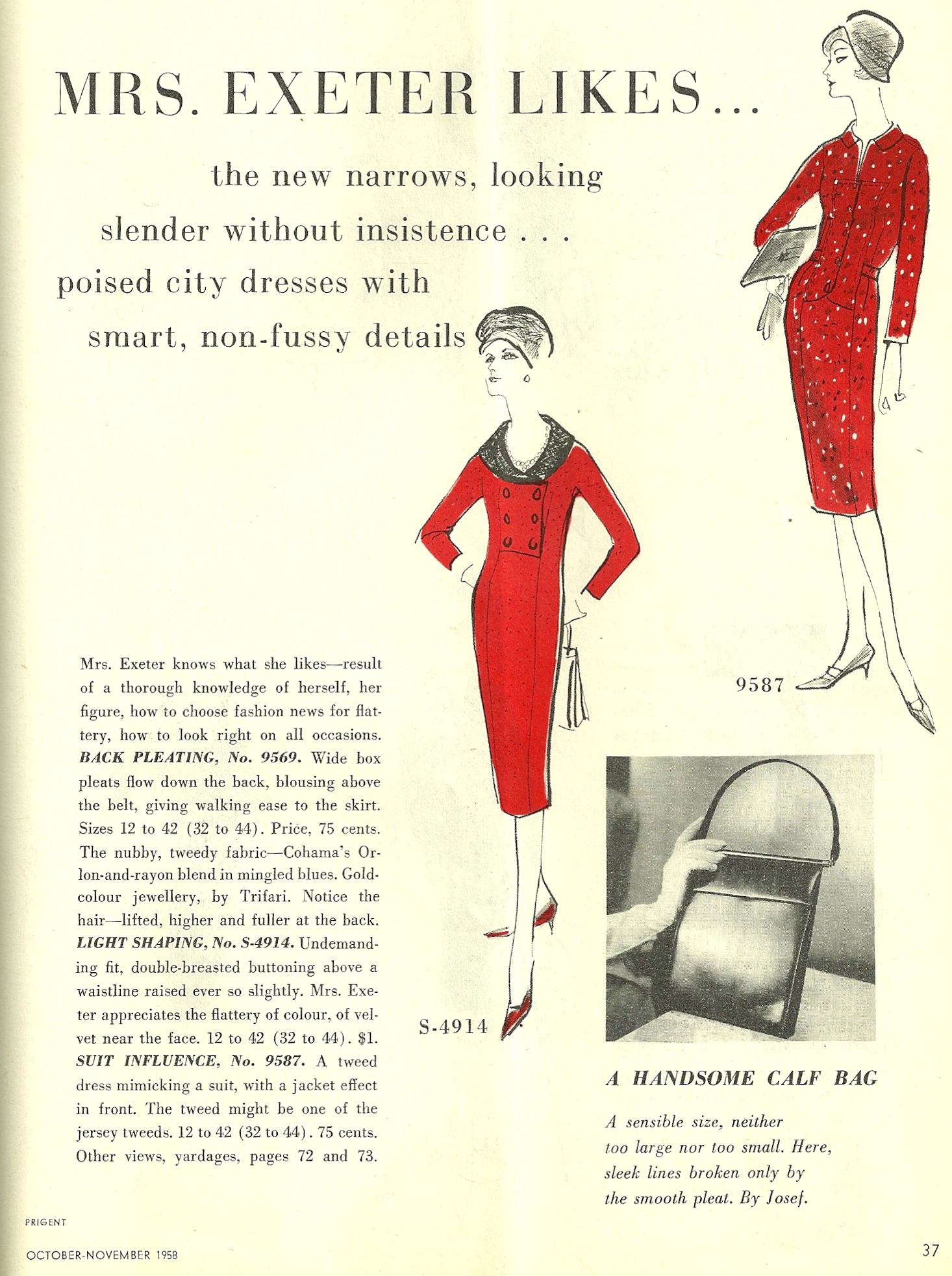
We’ve Forgotten How to Dress Like Adults BY REBECCA HUVAL


The ‘60s youthquake killed our desire to dress like grown-ups.

JAN 18, 2017


On the cover of British Vogue in 1948, an unthinkable figure appeared. An elegant woman turned toward the camera with a set of pearls, a trim suit, and hair that was (gasp!) visibly gray. The fictional character of Mrs. Exeter appeared twice on the cover. Since then, rarely — if ever — would a woman approaching 60 appear on that coveted platform by herself.

Introduced in the late 1940s, Mrs. Exeter taught older women how to dress. “Mrs. Exeter knows what she likes — result of a thorough knowledge of herself,” wrote Vogue in the October/November 1958 issue. Her advanced age gave her an edge over flighty younger women who hadn’t zeroed in on their sense of self. She appears secure in dresses made from sturdy fabrics not seen as much today, like wool crepe or tweed.

Tuesday, July 18, 2017

COMMUNITY AND SEXUALITY by Chayanika Shah

COMMUNITY AND SEXUALITY: LEARNING A POLITICS OF UNBELONGING

After writing the words “Community and Sexuality” as the working title of this piece, I attempted to begin writing many times, but kept getting stuck at “community” and its meaning. I kept coming back to this common phrase that we hear often in conversations, “hamare yahaan…”, “hum logon mein…”,[1] or the many variations of the same. To me the act and ability to say these phrases comes from that sense of a community, and a belonging to it. And as I thought about this further, I came to see why it was becoming so difficult for me to write. These are phrases that I do not use. Often because they just don’t apply and mainly because they create a notion of othering which fractures a larger sense of community. Dr Ambedkar referred to this larger sense of community as fraternity, in the Constitution, and said that it was crucial for the idea of a nation in a society divided by caste. I do not believe in the concept of “a” nation but I do believe in something else uniting us in a sense of community beyond the accident of our birth.

Sunday, July 16, 2017

सहमति के पड़ाव (Stages of consent) by AGENTS OF ISHQ


ना कहने और सुनने को कैसे निभाया जाए- एजेंट्‍स ( AOI ) का क्राउडसोर्सड गाइड !

सहमति, जैसे, अनु कपूर ने विक्की डोनर में कहा था, एक टेढ़ा मेढ़ा शुक्राणु है। हर कोई सोचता है कि यह सरल है – एक हाँ है, एक नहीं और एक शायद। लेकिन हाँ हमेशा के लिए हाँ तो नहीं होता है, और न भी ना हमेशा के लिए ना। और शायद या तो हाँ के अंदर हो सकता है या ना के बाहर। सबसे महत्त्वपूर्ण बात यह है कि सहमति K3G के अमिताभ बच्चन की तरह नहीं है – कि कह दिया तो कह दिया, बस। मतलब यह अपरिवर्तनीय या सुनिश्चित नहीं है। बल्कि हम कई अलग–अलग रोमांटिक और यौन संबंधों के दौरान इसका पता लगा पाते हैं। पहले कदम से शारीरिक संबंध बनाने के बीच, वन नाईटस्टैंड के दौरान या एनएसए, या दीर्घकालिक रिश्ते के दौरान; दरअसल हर उस स्थिति से जिससे सेक्स जुड़ा हुआ होता है।


नहीं आसान होना चाहिए। लेकिन हम सभी जानते हैं कि वह पेचीदा है। यदि आप किसी से ना सुनते हैं, तो आपको आघात होता है, आप अस्वीकृत महसूस करते हैं, आपको निराशा होती है, गुस्सा आता है। आप कभी समझने की कोशिश करते हैं तो कभी परेशान हो जाते हैं। यदि आप सहमति का सम्मान नहीं करते हैं, तो आप शायद ‘ना‘ सुन भी नहीं सकेंगे।


और यदि जिसने ना कहा है वो आप खुद हैं, तो आप तकलीफ और परेशानी महसूस कर सकते हैं। कभी आप राहत महसूस करेंगे तो कभी खुद को दोषी मानेंगे। अंत में आप निर्दयी या असंवेदनशील भी हो सकते हैं। या फिर इससे बचने की कोशिश करते हुए हो सकता है आप अस्पष्ट हो जाएँ।


लेकिन शुरुआत में, कम से कम हम उन नाज़ुक फ़र्क की बात तो कर सकते हैं, जो इस ‘ना’ की शान हैं, है ना! हमने नहीं कहने और सुनने के बारे में कुछ लोगों से बात की, विशेष रूप से उसके अलग अलग जगहों पर पड़ने वाले प्रभाव को समझने के लिए।


1. जब आप बिल्कुल रुचि नहीं रखते हैं।

– मेनेका (21, उभयलिंगी महिला) कहती हैं, “मुझे लगभग छह बार नहीं कहना पड़ा“, जब वो एक ऐसी परिस्थिति में थीं जहाँ सामने वाले व्यक्ति को समझ नहीं थी कि कहाँ रुक जाना चाहिए। “मैं एक मेटल कॉन्सर्ट में थी।” (हाँ वो एक रॉकर लेडी हैं) “उस व्यक्ति ने कुछ ऐसा कहा – ‘मैंने लड़कियों को इतना ज्यादा झूमते नहीं देखा है… क्या मैं आपके लिए एक ड्रिंक खरीद सकता हूँ?’ मैंने कहा नहीं। उसने जोर देकर कहा कि वह किसी भी तरह की सेक्सुअल उम्मीद नहीं रख रहा है। सब एक बकवास नाटक था। अंत में उसने कहा, ‘क्या मैं आपके लिए कम से कम पानी खरीद सकता हूँ?’ मैंने सोचा ठीक है! मैं सिर्फ उससे छुटकारा पाना चाहती थी। लेकिन अगर मैंने उसे ‘हाँ ठीक है धन्यवाद’ कहती, तो यह मेरा जान कर अंजान होना सा होता। अगर मैं किसी केअनुरोध पर फ्री ड्रिंक लेती हूँ तो ऐसी बातों पर आदमी और औरतों के बीच की रीति रिवाजों का लंबा साया रहता है और मुझे उस सब में नहीं पड़ना था ।“


– सीरत (21, विषमलैंगिक महिला) एक ऐसे लड़के के बारे में बताती हैं जो लवर बॉय से स्टॉकर (पीछा करने वाला) बॉय बन गया। “मैं अपने कॉलेज में एक इवेंट का आयोजन कर रही थी जब एक सीनियर मेरे पास आया और कहा कि उसने आज तक मुझसे ज्यादा सुंदर लड़की नहीं देखी। मैंने उसकी प्रशंसा की सराहना करते हुए उसे धन्यवाद दिया। बाद में, उसने मुझे फेसबुक पर संदेश भेजा कि वह मुझसे प्यार करता था। मैंने जवाब में ‘धन्यवाद‘ जैसा कुछ लिखा और यह भी स्पष्ट किया कि मुझे उसमें इस तरह की कोई दिलचस्पी नहीं है। उसके बाद वह रोज़ कॉलेज गेट पर मेरा इंतजार करने लगा। वो मुझे लगभग एक स्टॉकर कि अनुभूति कराने लगा और इसलिए आखिरकार मुझे उसे ब्लॉक करना पड़ा। फिर मुझे एक सीनियर से बात भी करनी पड़ी जिसने उसे यह सब रोकने के लिए कहा। एक साल बाद जब वापस उसे देखा तो उसने अपने बर्ताव के लिए माफी माँगी। वह अभी भी फेसबुक के ब्लॉक्ड लिस्ट में है; लेकिन कोई बात नहीं।“


इससे यह समझ में आता है कि जब कोई आपकी ना सुनने से इनकार करे तो आपको क्या करना चाहिए? दोहराते रहें – विनम्रतापूर्वक, लेकिन दृढ़ता केसाथ। (फिर यह आसान हो जाता है और कभी–कभी सामने वाले को समझ में भी आ जाता है)।


2. जब आप समीकरण को बदलना नहीं चाहते हैं।

मान लीजिए कि आपका एक दोस्त है और आप जहाँ हैं वहाँ खुश हैं, लेकिन वो कुछ और चाहता/चाहती है। आप उसे चोट नहीं पहुँचाना चाहते हैं, और न ही अपने बीच के समीकरण को बदलना चाहते हैं। ऐसे में आप ना कैसे कहेंगे?

– जेनाब (20, इतरलिंगी, महिला) ने किसी मित्र के प्रस्ताव को ना कहा। “पहले तो वो उलझन में था और मानने को तैयार ही नहीं था। फिर मैंने उसे कहा कि हम दोस्त हैं और हम इसे ऐसे ही रहने देते हैं। उसे बात तो समझ में आ गयी लेकिन वह जानना चाहता था कि क्या मैंने किसी डर या भय से उसे ना बोला। मुझे लगता है मुझे उसे और दृढ़ता से मना करना चाहिए था, क्योंकि उसे लगा मैंने सिर्फ उस समय के लिए ना बोला है। मैं नहीं चाहती थी ये रिश्ता कहीं भी जाये, उसे यह बात समझ नहीं आई थी। मुझे लगता है कि सबसे अच्छा तरीका है कि जहाँ तक हो सके, स्पष्ट रूप से ना कहा जाए। जब आप किसी से जुड़े हुए नहीं होते हैं तो ना कहना आसान होता है। लेकिन एक दोस्त के साथ आपको डर रहता है कि कहीं आप उसकी भावनाओं को चोट ना पहुँचाएँ। लेकिन हाँ, दृढ़ता आवश्यक है।“


– आदिल (22, विषमलैंगिक, पुरुष), उसकी दोस्ती को अगले स्तर पर ले जाना चाहते थे। “हम हाल ही में दोस्त बने थे। मुझे रोमांटिक रुचि तो नहीं थी, लेकिन मैं शारीरिक रूप से आकर्षित हो गया था। एक रात एक पार्टी में उसने काफी पी ली थी। वहाँ जब किसी ने पूछा कि क्या हमारे बीच कुछ चल रहा है, तो उसने बड़े रहस्यमय तरीके से कहा था कि – अब तक तो नहीं। बाद में जब मैंने इसका जिक्र किया, उसने मुझ पर विश्वास नहीं किया और कहा कि वह अपने दोस्त से इसकी पुष्टि करेगी। फिर उसने माफी माँगी और कहा कि उसे शारीरिक संबंध बनाने में कोई दिलचस्पी नहीं थी, वो बस एक अच्छी दोस्त बनना चाहती थी। मैं निराश हो गया था, लेकिन फिर मुझे लगा कि उसके साथ ना सो कर मैं कोई बड़ी चीज़ मिस नहीं कर रहा था। वो मेरी दोस्त थी और यह मेरे लिए बहुत था। उसने मुझे जिस तरह ना कहा उसके लिए मैं उसे वास्तव में दोषी नहीं ठहरा सकता था। वह नशे में थी और उसने तो माफी भी माँगी। लेकिन अगर उसकी जगह मैं होता तो यह कभी नहीं कहता कि ‘मुझे तुम्हारी बात पर विश्वास नहीं है और मुझे अपने दोस्त से पुष्टि करनी होगी।‘ यहलगभग ऐसा कहना हो गया जैसे यह पूरी कहानी मेरी मनगढ़ंत है। मैं अगर ऐसा करता भी तो उसकी घोषणा नहीं करता।” (हालाँकि वास्तव में उसने आदिल के सामने तीन हफ्ते बाद ही प्रस्ताव रखा और यह अलग बात है कि तब से वे साथ हैं।)


– निशांत (22, विषमलैंगिक, पुरुष) ने अपने अच्छे दोस्त के सामने प्रस्ताव रखा। वो कुछ दिन पहले ही एक रिश्ते से बाहर निकली थी इसलिए उस समय आगे बढ़ने की मनःस्थिति में नहीं थी। “अभी नहीं, शायद भविष्य में – लेकिन उसका भी मैं कोई वादा नहीं कर सकती“, उसने कहा। उसके कारण बहुत न्यायसंगत थे, लेकिन भविष्य की संभावना में लटकाकर रखने का विचार मुझे पसंद नहीं आया। अगर आप पूरी तरह से ना कहते हैं, तो कम से कम दूसरे व्यक्ति को पता चल जाता है कि ऐसा कभी नहीं होने वाला है। लेकिन यदि आप कहते हैं कि शायद भविष्य में कोई संभावना हो सकती है, तो वह व्यक्ति सोचता है कि वह फिर से प्रयास कर सकता है।“


3. जब आपको दिलचस्पी है, लेकिन आप तैयार नहीं हैं।

जब आप तैयार नहीं होते हैं तो इसे धीमे–धीमे आगे ले जाना चाहते हैं। आप कभी यह भी कहना चाहेंगे कि ‘यह सब बहुत जल्दी हो रहा है‘? या फिर ‘ना’करना चाहेंगे,’ लेकिन सिर्फ तभी के लिए‘। क्या इसका मतलब है कि आप किसी को व्यर्थ बहका रहे हो?  यह ज़ोर से कहना आसान तो नहीं है, लेकिन देखते हैं कुछ लोगों ने ऐसा कैसे किया।


– नितिन (22, विषमलैंगिक, पुरुष) – “मैं अपने पहले रिश्ते में एक अनजान किशोर था। जब मेरी प्रेमिका मुझसे शारीरिक संबंध बनाना चाहती थी तो मुझे विनम्रता से उसे मना करना पड़ा क्योंकि मुझे सचमुच नहीं पता था कि ये सब कैसे किया जाता है। मेरा मानना है कि ऐसा कुछ करने से पहले खुद को शिक्षित करना बेहतर है ताकि कोई बेवकूफी ना हो जाये। जब मैंने उसे यह बताया तो उसने कहा ‘चिंता मत करो, मैं तुम्हारी मदद करूँगी।‘ मैंने जोर देकर कहा कि मैं तैयार नहीं हूँ। हम अंततः यह ज़रूर कर सकते हैं, लेकिन केवल तब जब मैं इस विचार से सहज हो जाऊँ। जाहिर है पहले वो नाराज़ हुई। लेकिन फिर उसने कहा कि उसे यह थोड़ा अजीब और अच्छा भी लगा, क्योंकि अमूमन लड़कियाँ रुकना चाहती हैं जबकि लड़के हमेशा तैयार रहते हैं।“


– बारबरा (22, उभयलिंगी, महिला) - “यह हमारे रिश्ते के पहले के कुछ हफ़्तों की बात है। हम तब सिर्फ एक–दूसरे को जानने की प्रक्रिया में थे। उस रात हम काफी दूर तक आ गए, लेकिन मैंने उसे कह दिया कि मैं सेक्स नहीं करना चाहती थी। उसने कहा कोई बात नहीं और फिर कोशिश नहीं की। थोड़ी देर बाद, मुझे बुरा लगा क्योंकि उसने इस सरप्राइज ट्रिप की योजना बनाई थी और मुझे लगा कि वो बुरा मान जाएगा। तो मैंने उससे कहा, ‘जानते हो, मुझे आपत्ति नहीं है?’ ‘ यहाँ कहकर ज़ोर नहीं डाला था, बस मैं ही पछतावे की भावावेश में बोल बैठी थी। मुझे उसका जवाब आज भी स्पष्ट रूप से याद है। उसने कहा ‘मुझे आपत्ति नहीं है‘ और ‘मैं यह चाहती हूँ‘, दोनों में बहुत अंतर है। उसने कहा कि वो मुझे कभी ऐसा कोई काम करने को नहीं कहेगा जिसमें मुझे केवल ‘आपत्ति न हो।‘ तो हमें यह समझ आ गया कि हमें किसी का नेतृत्व नहीं करना चाहिए और सिर्फ किसी दवाब में आकर हाँ नहीं कहना चाहिए। क्योंकि अगर आप तैयार नहीं हैं तो इसकी कोई आवश्यकता नहीं है। प्रेम कोई वस्तु विनिमय प्रणाली- बार्टर सिस्टम- तो नहीं है।“


– अनंद्य (21, विषमलैंगिक महिला) याद करती हैं, “जब मैं कॉलेज में इस लड़के से मिला करती थी, तब एक रात मैं अपने कमरे में घुस गई। मूल योजना कुछ समय बाद ही कर्फ्यू के लिए वापस आने की थी, लेकिन एक और मित्र ने मुझे पूरी रात वहीं रहने के लिए आश्वस्त कर दिया। यह वास्तव में मेरे लिए अजीब था क्योंकि उसने और मैंने साथ काफी कुछ किया था, लेकिन उतना आगे पहले कभी नहीं बढ़े थे। उस रात चीज़ें थोड़ी गर्मजोशी में होने लगीं तो उसने मुझसे पूछा अगर मैं सेक्स करना चाहती हूँ। मैंने उसे धक्का दिया और कहा, ‘नहीं, मैं इसके लिए तैयार नहीं हूँ।‘ उसने कहा, ‘ठीक है‘। मुझे लगता है कि उसकी इस कोशिश का एक कारण अन्य लड़के थे जिनकी उम्मीदों को यह पूरा करना चाहता था। लेकिन मैं उसे प्यार नहीं करती थी, यह बात मैं अच्छे से जानती थी। मैं सेक्स सिर्फ करने के लिए नहीं करना चाहती थी, जब उसका कोई मतलब ही ना हो। “


4. प्यार के मूड में ना होना।

आप किसी के साथ संबंध में हैं,लेकिन ऐसे कुछ समय होते हैं जब आप कहीं और ही मग्न हैं या कुछ ऐसा महसूस नहीं कर रहे हैं। तब किस तरीके से ना कहा जाना चाहिये?


– जोया (20, विषमलिंगी नहीं,अजेंडर) “मेरी हाल की यौन स्थितियाँ मेरी सबसे सम्मानपूर्ण स्थितियाँ रही हैं, उनमें बराबरी के रिश्ते रहे हैं । हम सेक्स में प्रयोग भी करते, पर पहले आपस में पूछ लेते थे कि क्या यह ठीक है। और अगर कोई रुकना चाहता था तो दोनों रुक जाते थे। मुझे लगता है कि ये सब सिर्फअच्छी समझ का नतीजा है। “


मिंडी (25, समलैंगिक, महिला) “जब आप एक दीर्घकालिक रिश्ते में होते हैं, तो आप एक दूसरे को बेहतर समझते हैं और अपने साथी की जरूरतों को समझने में अधिक सहज होते हैं। तो ‘ना‘ जैसे शब्द का वास्तविक उपयोग ही सब कुछ नहीं है। कभी–कभी कुछ सूक्ष्म चीज़ें भी ये कर जाती हैं। कभी–कभी आपको थोड़ा और अधिक संवाद करना पड़ता है। मैं ना कहते समय अपने पार्टनर की भावनाओं को चोट नहीं पहुँचाना चाहूँगी। आप अपनी एकभाषा विकसित करते हैं, और तब ना बोलते हैं। “


भक्ति (22, क्वीयर, महिला): “मेरे अनुभव में, बहुत से लोग बिना मौखिक संकेत के नहीं समझ पाते हैं। कुछ लोगों के लिए, ना वास्तव में ना नहीं है– उन्हें लगता है कि यह हमेशा चिढ़ाने और कड़ी मेहनत कराने के लिए कहा जाता है। यहाँ तक ​​कि मेरे वर्तमान प्रेमी को भी कभी–कभी सचमुच समझ में नहीं आता कि कहाँ तक ठीक है और कहाँ नहीं। मैं इसे पर्याप्त रूप से स्पष्ट करने की कोशिश करती हूँ कि मेरे मामले में ना का मतलब ना ही है और इसमें कोई चंचलता का अंश नहीं है। चूँकि यह उसका पहला रिश्ता है, इसलिए मैं उसे सीमाओं को समझने में मदद करती हूँ। हमने कई बार बैठ कर इसकी चर्चा की है। हमने मौखिक और गैर–मौखिक संकेतों को सेट किया है। यह एक बहुत ही अंतरंग बातचीत होती है जिसे केवल दो लोगों ही समझ पाते हैं। “


रुही (21, विषमलैंगिक महिला) कहती है “जब भी हम फिल्में देखते हैं, तो वो और मैं सेक्स की प्रक्रिया में संलग्न हो जाते हैं। लेकिन एक बार मैं वास्तव में वो फिल्म देखना चाहती थी। तो सीधा बोलने के बजाय, मैंने उसे बहुत ही आधे मन से चुंबन दिया। उस वक़्त तो उसने कुछ भी नहीं कहा, बस थोड़ा चुपचाप था। मुझे लगा कि ओह यह गंभीर हो गया – लेकिन अभी भी मेरा ध्यान पूरी तरह फिल्म पर ही था। फिल्म खत्म होने के बाद भी वह चुप ही था। मैं कभी–कभी उसे कहती हूँ कि उसे और सहज होना चाहिए। इसलिए उसने कहा, ‘अब जब मैं था, तो तुमने मुझे खारिज कर दिया‘ बाद में हमने इस बारे में बात की, तो उसने कहा कि मैं थोड़ा और अच्छे से भी मना कर सकती थी। मैंने कहा चलो माफ करो। शायद मैंने कोई सम्मानजनक तरीके से ना नहीं कहा था? शायद मुझे पूर्ण रूप से कहना चाहिए था कि मैं अभी तैयार नहीं हूँ, क्यों ना बाद में कोशिश करें। कभी ऐसा भी हुआ है जब उसने मुझे ना कहा है। मुझे लगता है कि जब आप किसी के यौन प्रस्ताव को अस्वीकार करते हैं तो यह दर्दनाक भी हो सकता है। आप सोचेंगे कि उन्हें समझ में आ गया है, लेकिन वास्तव में ऐसा होता नहीं है। मुझे लगता है कि हालाँकि इससे थोड़ी चोट पहुँच सकती है फिर भी इधर उधर की बातें करने से अच्छा है सीधे ना बोलना।


5. जब आप किसी भी रूप से असहज हों।

कुछ स्थितियों में, बस ना बोलने को मन करता है। आपको नहीं पता होता है क्यों, लेकिन आप ऐसा ही महसूस करते हैं।

– अंकिता (21, क्वीयर, महिला) अपने पहले प्रेमी के साथ अपनी पहली अंतरंग स्थिति के बारे में बात करती है। “मेरे दिमाग में यह था कि वह बहुत बड़ा और अधिक अनुभवी था, और कोई फर्क नहीं पड़ता कि मुझे कितना असहज महसूस हो रहा था; मुझे नहीं लगता था कि मुझे उसे रोकने का अधिकार था। उसने भी मुझसे पूछने या मेरी असुविधा को जानने की कोशिश नहीं की। एक तरफ मुझे लग रहा था कि मुझे इस तरह भोला बनना बंद करना चाहिए। अब मुझे यह पता है कि आप केवल उन स्थितियों में अपनी कामुकता के बारे में सीखते हैं जहाँ आपकी एजेंसी है। यहाँ तक ​​कि अन्य पुरुषों के साथ ऐसी स्थितियाँ भी आयी थीं जहाँ मेरे दिमाग में, अंदर ही अंदर, मैं ज़ोर ज़ोर से खुद को ना कहने के लिए चिल्ला कर कह रही थी। और उन पुरुषों में से कोई भी परेशानी के किसी भी संकेत को समझकर रुका नहीं।” लेकिन उसके लिए महिलाओं के साथ का अनुभव अलग रहा है। “नव्या, वो महिला जिसके साथ मैं सोई थी, उसके साथ सब कुछ बहुत ही आरामदायक था। उसने बार बार पूछा कि मैं सहज थी। शायद यही कारण था कि मैं उसे ना कह पाई।“


– पृथ्वी (22, विषमलैंगिक पुरुष) “किसी ने मेरे साथ यौन संबंध बनाने की इच्छा जाहिर की – हमारे बीच एक स्पष्ट समधिकार - पावर – की असमानता थी। यह एक ही समय में खुशी और भय दोनों के मिश्रण का अनुभव था। मेरा दिमाग जैसे जम गया था। उस पल में मुझे क्या हुआ था, इसकी कोई मिसाल नहीं थी – मुझे नहीं पता था कि यह कहाँ जा रहा है, मुझे नहीं पता था कि मैं कैसीे प्रतिक्रिया दूँ। जब वो हाथ मुझे छूने आया, मैंने कोशिश की और उसे दूर कर दिया। मैंने संकेत दिया कि ‘रहने दो‘ या ‘हमें यह करने की ज़रूरत नहीं है‘। ऐसा एक बार करना ही पर्याप्त होना चाहिए था। मैं पूरी तरह से हमारे बीच के संबंध को समाप्त नहीं करना चाहता था, इसलिए मैंने इसे मुस्कराहट के साथ विनम्रतापूर्वक किया। लेकिन दूसरे ने इसे उत्साहजनक छेड़छाड़ के रूप में देखा। या शायद वे वास्तव में नहीं सुन रहे थे। जब उन्होंने इसे फिर से किया, तो मैंने तय किया है कि ऐसा इस बार तो मैं पक्का अनुमति नहीं दूँगा। लेकिन आप अपने को अंततः लाचार सा पाते हो और और सारी कोशिश छोड़ देते हो। अगर मैं वापस जा सकता, तो मैं इतना तो ज़रूर करता कि जो हो रहा है उसके प्रति जागरूक रहता। किसी ने मुझे सेक्स और लैंगिकता के बारे में नहीं बताया था। इसलिए मैं खुद को इसके बारे में शिक्षित करता ताकि मैं जान सकूँ कि इसके दौरान कैसा लगता है। “


कई बार यह बेचैनी इसलिए होती है क्योंकि ना के लिए कोई जगह बनाई ही नहीं होती है। जब हमारी हिचकिचाहट और गैर–मौखिक ना की उपेक्षा की जाती है, तो हम अक्सर स्पष्ट रूप से ना कहने का आत्मविश्वास खो देते हैं। यह खुद को याद दिलाने की ज़रूरत है – कि यह समझ होना बहुत ज़रूरी है कि कौन सी बात की जा रही है और किस तरह अपनी भावना व्यक्त करनी है, धीरे धीरे सही ,लेकिन निश्चित रूप से।


- http://agentsofishq.com/hi/the-stages-of-consent/

Friday, March 31, 2017

Bike Lessons Help Immigrant Women Feel at Home in Amsterdam by Gaëlle Faure

When Mama Agatha started teaching women how to ride bikes, she thought it would help them keep fit. But she soon learned that for many women, simply hopping on a bike becomes an act of independence.


Mama Agatha’s free class has taught more than 1,700 women how to ride a bike, allowing them more freedom in cycle-friendly Amsterdam. Photo by Courtesy of The Sound of Applause

In Amsterdam, it might seem like everyone knows how to ride a bike – but that’s not quite true. For residents who grew up in other countries, the skill of balancing on two wheels is not a given.

Wednesday, March 29, 2017

Lingerie shop claims discrimination over window display

KENNESAW, Ga. -- A local lingerie store swapped advertisements featuring thin models for women of different colors, sizes and abilities. Now, they say, in a "body shaming" move, they're being told to take down the ads.

Monday, March 27, 2017

Thinking Sex: Notes for a Radical Theory of the Politics of Sexuality by Gayle S. Rubin


The Sex Wars

'Asked his advice, Dr. J. Guerin affirmed that, after all other treatments had failed, he had succeeded in curing young girls affected by the vice of onanism by burning the clitoris with a hot iron . . . I apply the hot point three times to each of the large labia and another on the clitoris . . . After the first operation, from forty to fifty times a day, the number of voluptuous spasms was reduced to three or four . . . We believe, then, that in cases similar to those submitted to your consideration, one should not hesitate to resort to the hot iron, and at an early hour, in order to combat clitoral and vaginal onanism in the little girls.’ (Zambaco, 1981, pp. 31, 36)

Friday, March 10, 2017

Why Women Marry Into Boko Haram by Odharnait Ansbro

Since it began its military campaign against the Nigerian government in 2009, the Islamist terrorist group Boko Haram has kidnapped hundreds of girls. But some young women join the group voluntarily, raising questions about how to help them when they come back home.


Women and children rescued by Nigerian soldiers from the Islamic extremist group Boko Haram arrive at the military office in Maiduguri, Nigeria. Photo by AP/Jossy Ola, File

Four years ago, Aisha Mamman was studying for a diploma in accounting when Boko Haram attacked her town, Bama, in northeastern Nigeria. Now she’s a 25-year-old mother and the ex-wife of a Boko Haram commander.

Thursday, March 2, 2017

Close-Up and Myntra’s Valentine Ads Featuring Gay Couples is a Step Forward and Need to be Supported

Gaylaxy Magazine logo

I came across this advertisement for close-up toothpaste and was pleasantly surprised to see it featuring two guys as a couple for the Valentine’s theme. Myntra has been regularly featuring same sex couple ads. This is indeed heartening for the large LGBT community which is hiding behind the shadows for fear of persecution by the “morally upright” individuals of our society.

Monday, February 27, 2017

10+ Examples of Everyday Language That Supports Rape Culture by Alaina Leary

Even though we often think of rape culture as being perpetuated by direct actions – like grabbing someone without their permission, pushing too far in a sexual situation, or insisting that a non-consensual act was totally consensual – we don’t always think about how our casual, everyday language plays into it.
It wasn’t until I was joking around with some friends and someone said, “I thought he was going to rape me,” in a lighthearted tone that I realized our words contribute to rape culture, too.
As a rape and sexual assault survivor, I felt uncomfortable. Was it supposed to be funny that my friend had unwanted romantic and sexual advances? Obviously, the trauma of being raped is never actually funny.
My friends and I consider ourselves feminists, but I felt awkward. How should I react?
I forced a laugh, but it felt insincere not to talk about the way this seemingly insignificant exchange plays into rape culture.
While my friends consider actual rape jokes taboo and are generally cautious of our language to actively fight against sexism and other forms of systemic oppression, for some reason, we hadn’t really talked about some of the most common, casual phrases that carry the weight of sexual violence and rape culture.
As activists, we need to investigate the language we use (especially when it contributes to systemic oppression) and actively work to use language that empowers people (especially marginalized folks) and advocates for enthusiastic consent.
Here are a few everyday examples of language that supports rape culture that we should all remove from our vocabulary.

1. ‘Fuck You’ and ‘Suck My Dick’

Any language that associates sexual violence with anger promotes rape culture.
Phrases like this, which are usually used when we’re angry at or disagree with someone, send the message that it’s okay to force sexual violence on them.
It’s not okay to spreading the idea that someone deserves sexual violence if they anger us enough.

2. ‘I Just Raped That (Noun)’

When you use the word “rape” as a stand-in for “winning,” it not only de-legitimizes actual rape (which is a crime and can be an extremely traumatic experience for survivors), but it also equates sexual violence with being victorious.
If you use it in the opposite context – “That game raped me!” and the like – it makes light of rape and insinuates that the perpetrator (the game) was victorious because it committed sexual violence against you.
Both of these examples make it seem like sexual violence is a positive outcome for the perpetrator.
When survivors hear language like this, we know to be on guard. It may seem like a harmless mention, but it could be triggering and it absolutely downplays the seriousness of rape.

3. ‘Boys Will Be Boys’

This one might seem more tied to sexism and patriarchy, but if we look closely, we also see that it contributes to rape culture.
When we say things like “Boys will be boys,” or anything that dismisses problematic behavior (usually by cisgender men), we’re reinforcing the idea that if boys commit sexual violence or act against someone’s consent, they won’t be punished.

4. ‘She’s a Slut/Whore’ and ‘What Is She Wearing?’ (Among Other Examples of Sex-Shaming)

As well as contributing to sexism and sex-shaming (also commonly known as “slut-shaming”), these phrases serve to place the blame entirely on women and femmes for the way they’re dressed – and consequently, for anything that happens to them.
These are commonly used in victim-blaming after a rape or sexual assault, to suggest that the survivor deserved what happened to them because their clothes were “asking for it.”

5. ‘They Friendzoned Me!’

First of all, the “friend zone” isn’t a real thing, and it’s also a concept that’s based entirely in rape culture.
The “friend zone” assumes that because a person (usually a man or masculine, but not always) asks to be romantic or sexual with someone (usually a woman or femme), they should be able to – and that if the person being pursued suggests they just be friends instead of dating or having sex, they’re “friendzoning” the asker.
This one’s extremely common in media portrayals, to the point where we often reward the person who is being “friendzoned” by sympathizing and hoping the other person will change their mind.
If someone doesn’t want a romantic or sexual relationship, that’s completely fine, and we shouldn’t invalidate that consent by saying things like, “But he’s such a Nice Guy! Why won’t you go out with him?”

6. All Rape Jokes

Unsurprisingly, any joke that uses rape as a punchline or a “gotcha” is built on the back of rape culture.
Rape is a serious act of violence and not something to be joked about, especially because these jokes can be triggering for survivors.
While I’m lucky that people in my close circle don’t typically make rape jokes, I still hear them on a regular basis in movies, on TV, at comedy shows, and when I’m out in public.
As a survivor, even a small rape joke can remind me of the traumatic experience – especially if the joke has anything to do with the victim being immobile, drugged, or unconscious, since that’s what happened to me – and send me into an episode of PTSD.
Even if you’re not at all concerned that a survivor is nearby (and you should be, based on the high statistics of how many people are survivors) rape jokes depend on rape culture to be “funny.”
You’re essentially finding humor in the idea of taking away someone’s consent – and that’s not okay, full stop.

7. ‘That Person Is Going to Rape and/or Drug Me’

This is an example of everyday rape culture language that I can admit to having used and subsequently eliminated from my vocabulary. I remember saying this before I was sexually assaulted, and becoming starkly aware of it every time this type of language came up in casual conversation afterward.
Generally, these phrases are associated with unwanted romantic and sexual advances from others, which makes them even more sinister beneath the surface.
I’ve heard friends say things like this when they’re dealing with unwanted attention, but they (usually) don’t actually mean they’re afraid of literal sexual violence from the person they’re talking about.
In these instances, rape is conflated to a humorous end result of an unwanted advance.
In some ways, we may use these jokes because we recognize on some level that unwanted advances can turn into sexual violence quickly and that not every potential sexual partner will retain our enthusiastic consent.
But when we say these things, we’re delegitimizing actual sexual violence and making it harder for people to speak up when their consent is violated.

8. ‘I Know You Want It’

Usually used in romantic and sexual settings, but also sometimes as a joke among friends, “I know you want it” implies that someone’s enthusiastic affirmative consent doesn’t matter because you can “just tell” that they’re consenting.
This takes consent away from the person it’s being said about and places the power in the hands of the speaker.
Consent includes verbal and non-verbal communication. We shouldn’t normalize the false idea that you can “just tell” if someone consents when they haven’t communicated that they want to have sex.

9. ‘Why Don’t You Want Me?’

This phrase – or any language that shames someone for not giving their consent or pressures them into saying yes so that they won’t hurt the speaker’s feelings – supports rape culture.
Usually, the phrase “Why don’t you want me?” is associated with fear on the speaker’s behalf: fear that because enthusiastic consent for sex isn’t given, that person is completely uninterested sexually.
This assumes that if someone doesn’t want sex at any given moment – whether it’s because they fall on the asexual spectrum, they aren’t feeling well, or they’re just plain busy – they don’t value the person they’ve turned down. It associates sex with liking or loving someone, and that’s not okay.
Being rejected by a potential sexual partner may not feel awesome. It might hurt.
But this is a great time to find a healthier way to deal with rejection, instead of using it as an excuse to feel entitled to sex and shame the person who isn’t interested.
The phrase and similar iterations are so embedded into our cultural view of relationships that, even within consensual and feminist relationships,  it can be hard to get rid of the idea that consenting to sex = valuing a person, while not consenting = not valuing them.

10. All Examples of Catcalling

Catcalling upholds the idea that women and femmes are objects to be desired and that catcallers have the right to objectify them.
So many people dismiss catcalling as a “compliment.”
The idea that catcalling is harmless – or even a positive experience – shows that rape culture expects masculine folks to do or say whatever they want regarding femme folks’ bodies without consequence.  
When we say that catcalling is harmless, we’re actually reinforcing rape culture, because we’re silencing women and femmes after they experience sexual harassment.

11. ‘You’re a Tease’

Just like the above forms of sex-shaming, implying that someone’s a tease contributes to rape culture – because it implies that they “should” be making themselves available for sex.
Consent for sex can be taken away or amended at any time, regardless of previous consent or a sustained sexual relationship. There’s absolutely nothing wrong with someone if they change their mind.

12. ‘I’ll Convince You’

Any language that implies someone can be convinced or coerced into sex or romance reinforces the idea that we don’t own our enthusiastic consent and that our consent is not truly ours – that it can be “won” by a convincing party at any time.

13. ‘Give Me a Hug’ (Or Any Language Implying That You’re Obligated to Touch Someone)

This is most often used in familial settings, and most of us have probably heard it before – especially from older relatives who insist that it’s rude if we don’t give physical affection on demand.
Any language that implies someone has to touch anyone else without their consent – sexual or otherwise – plays into rape culture. Even though it may seem harmless (after all, what’s wrong with giving your grandma a kiss on the cheek at a family party?), it teaches us from a young age that our bodies and our consent are not our own.
We learn that saying no is rude – so if we don’t feel comfortable touching someone, we’d better get over it.
But different kids have different boundaries, and it’s not okay to assume that their only reason for saying no (or for setting boundaries, period) is a lack of manners.
It may also unintentionally teach kids that sexual violence against them is okay.
If they’re being forced to hug a relative at the holidays, they may not know the difference if they’re later the victim of sexual abuse, or they may not have the language to speak up about it.

14. ‘I Scored’ or ‘I Got It In’

Language that’s used when a person (typically a cisgender man because of the gender role he’s socialized to fit, but not always) “convinces” someone into sexual activity plays into the idea that consent is something that can be won.
This is a claim that even if sex was gained through some kind of convincing, manipulation, or coercion – which are examples of sexual violence, even though many people don’t realize it– it’s a positive outcome.
These phrases also objectify the person that the speaker had sex with, turning them and their body into a prize that’s up for the taking or a game to be won.
***
Even though we may think of sexual violence as an immediate concern, our language says a lot about us – and about how our society upholds rape culture and systemic oppression.
When we use language that supports rape culture, we’re not working to actively dismantle it and we’re not supporting survivors of sexual violence.
Language is so deeply embedded into our culture that sometimes we don’t even notice we’re doing this.
When I was sexually assaulted for the first time, I thought about some of these common instances of insidious language. My assailant was a friend who acted like they had a right to my body and my affection, and who pulled the “friendzone” card and used my no to garner guilt about the rejection they felt.
For years after, I didn’t even realize I had been assaulted because rape culture is so deeply embedded into our culture and language that I couldn’t tell the difference between that experience and a consensual one.
Treating sexual violence as something that isn’t a big deal or is in some way the survivor’s fault makes it even harder for survivors to be believed, to receive adequate support for healing, to get any resolution on a legal level (though, of course, incarceration alone will not stop rape), or to even realize that what happened to them isn’t their fault.
It’s no wonder survivors deal with of all this when we’re normalizing sexual violence in our everyday language.
Until we work to understand why these phrases are problematic and why they contribute to rape culture – and then work to eliminate them from our vocabulary – we’re contributing to the same system that takes away our right to enthusiastically consent.

Alaina Leary is a Contributing Writer for Everyday Feminism. She is a Bostonian currently studying for her MA in publishing at Emerson College. She’s a disabled, queer activist and is on the social media team at We Need Diverse Books. She can often be found re-reading her favorite books and covering everything in glitter. You can find her at her website or on Instagram and Twitter @alainaskeys.


- http://everydayfeminism.com/2017/02/everyday-language-rape-culture/